
Chimney inspections in Lakewood.
An inspection works through the chimney one part at a time, so a small flaw is spotted before it turns into a large one. Call us, or leave a request on the form whenever it suits.
- Based in LakewoodJefferson County, Colorado
- We call you backTo agree on a day
- Book onlineAny hour
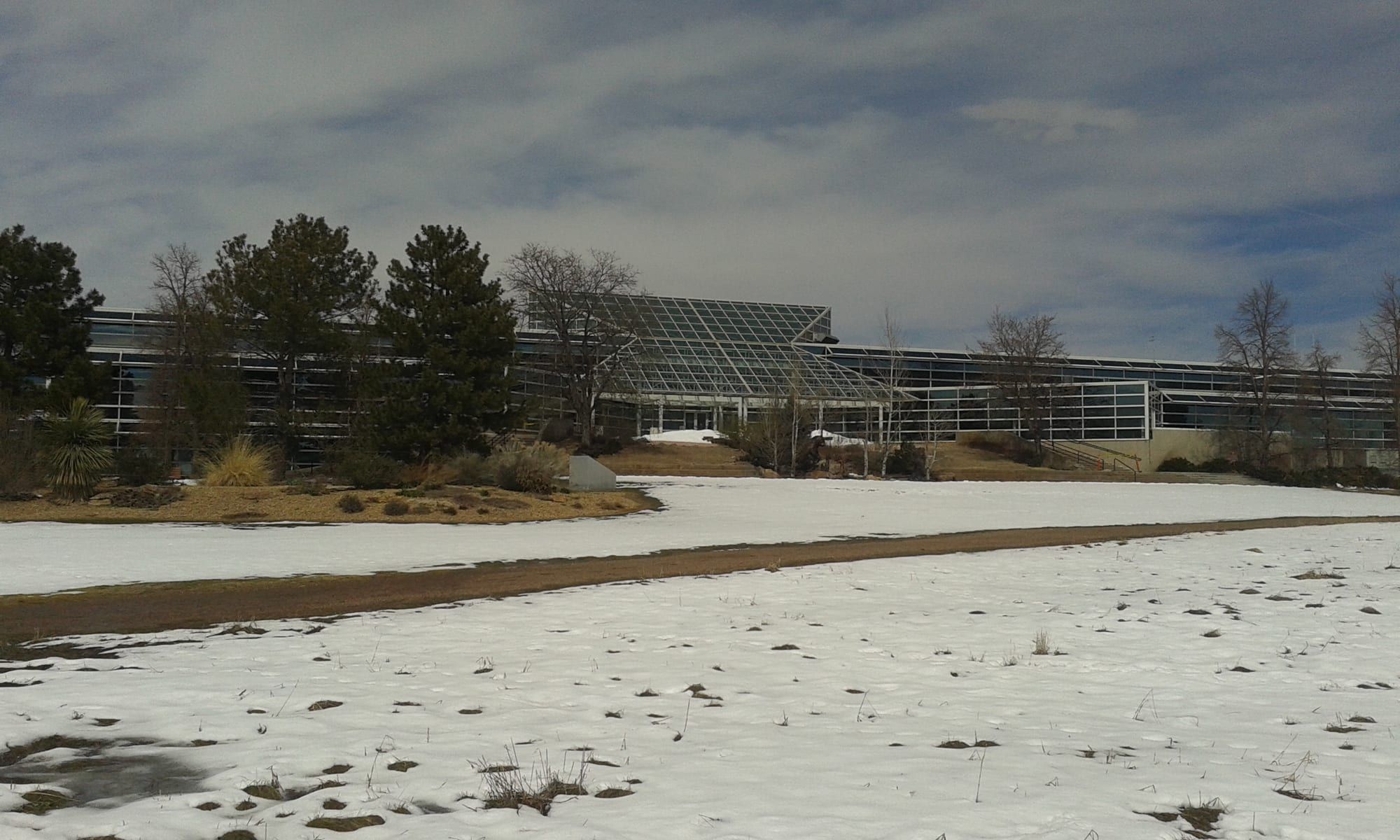
Photo: Public Safety Center from Belmar Park, Xnatedawgx, CC BY-SA 4.0
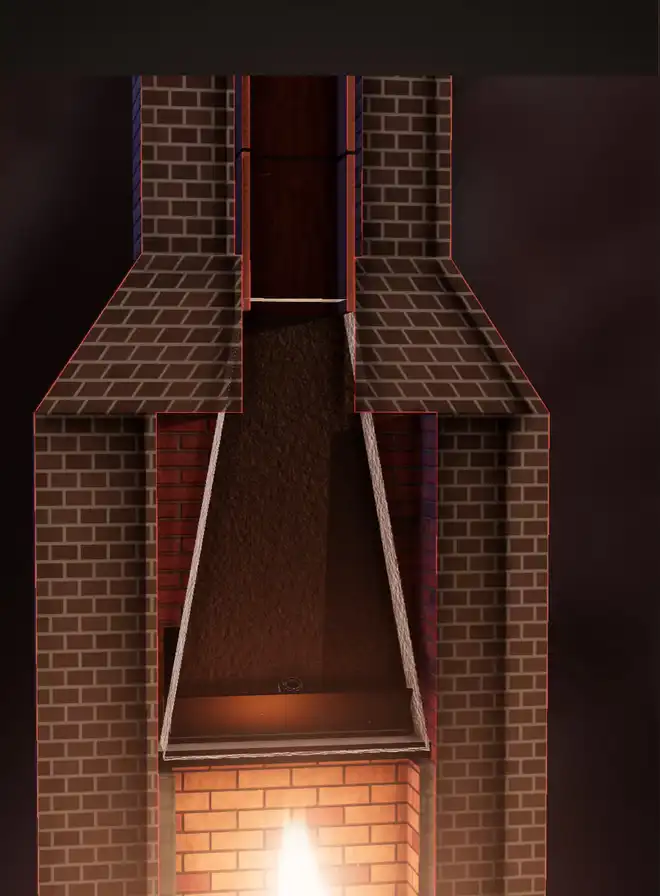
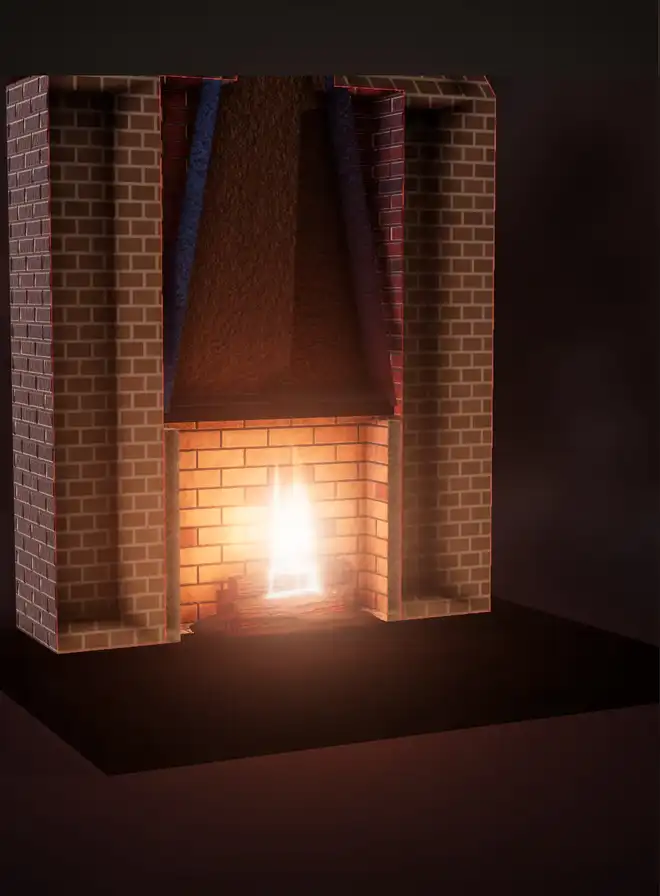
What an inspection looks at.
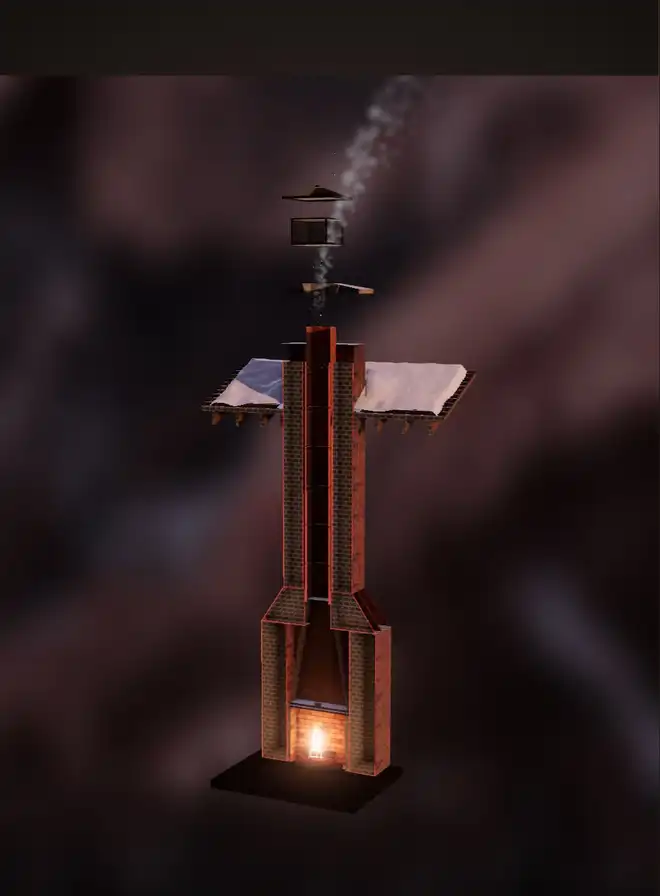
Six parts, taken in order from the roofline to the hearth.
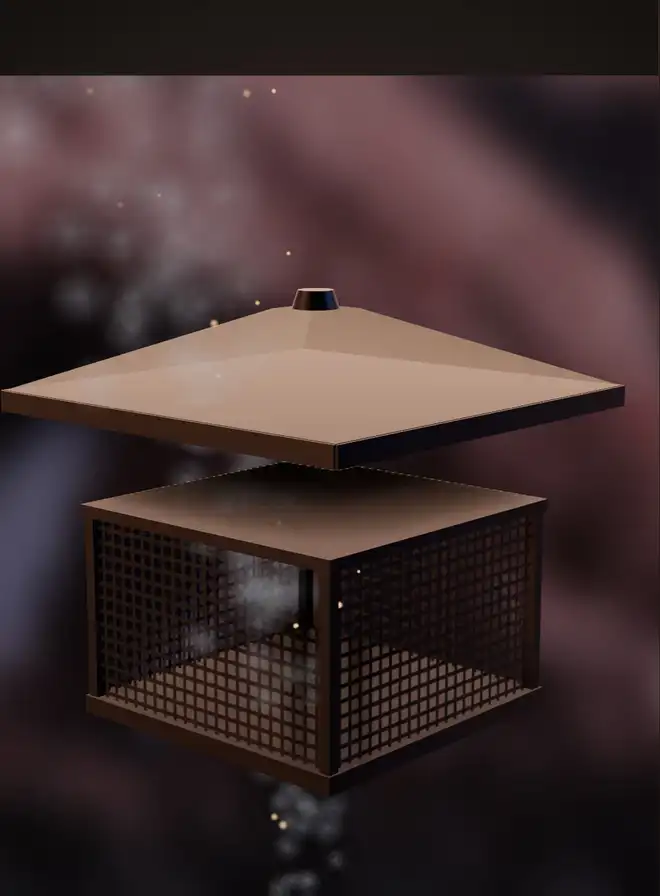
Cap
On the roofline
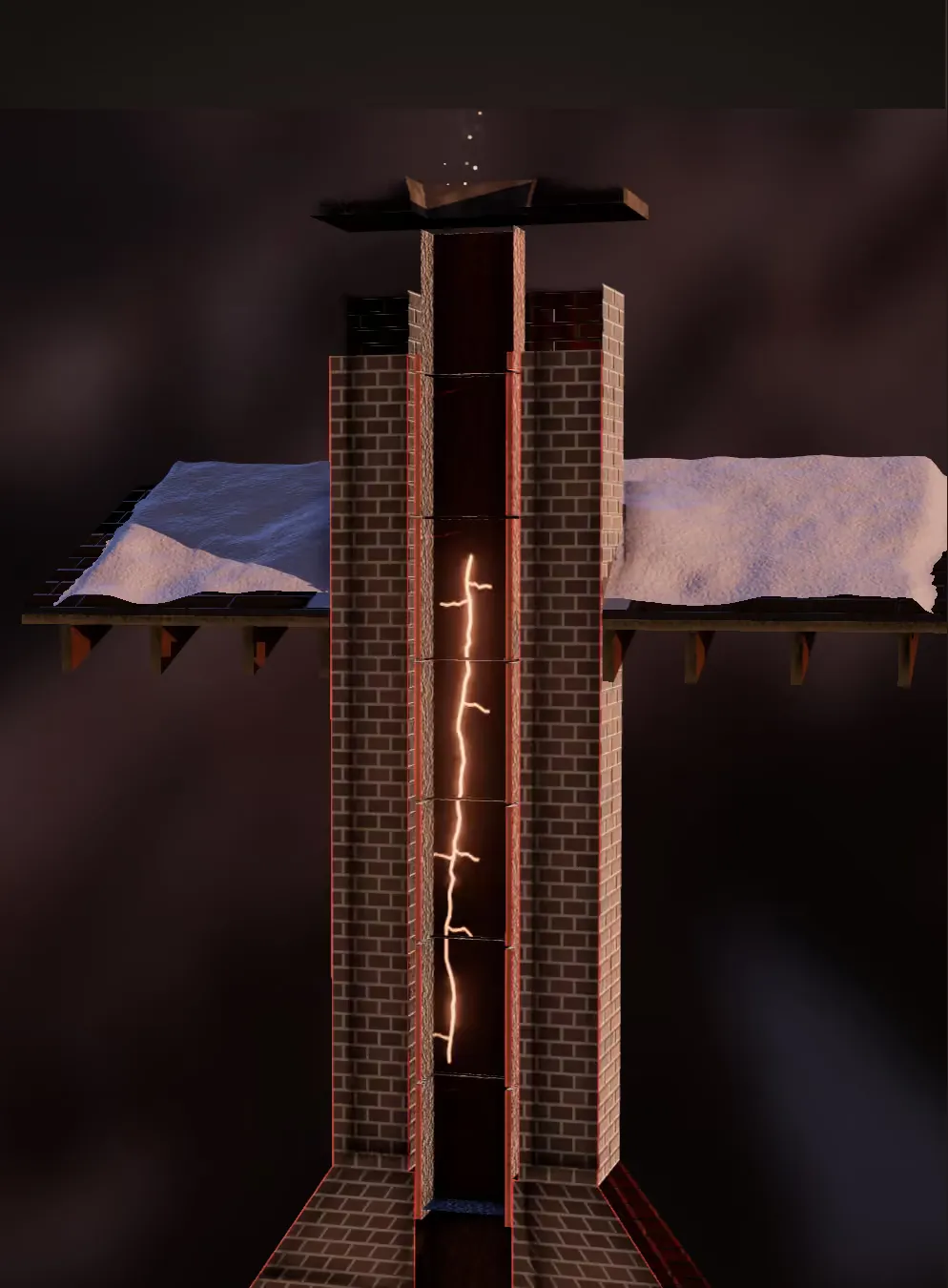
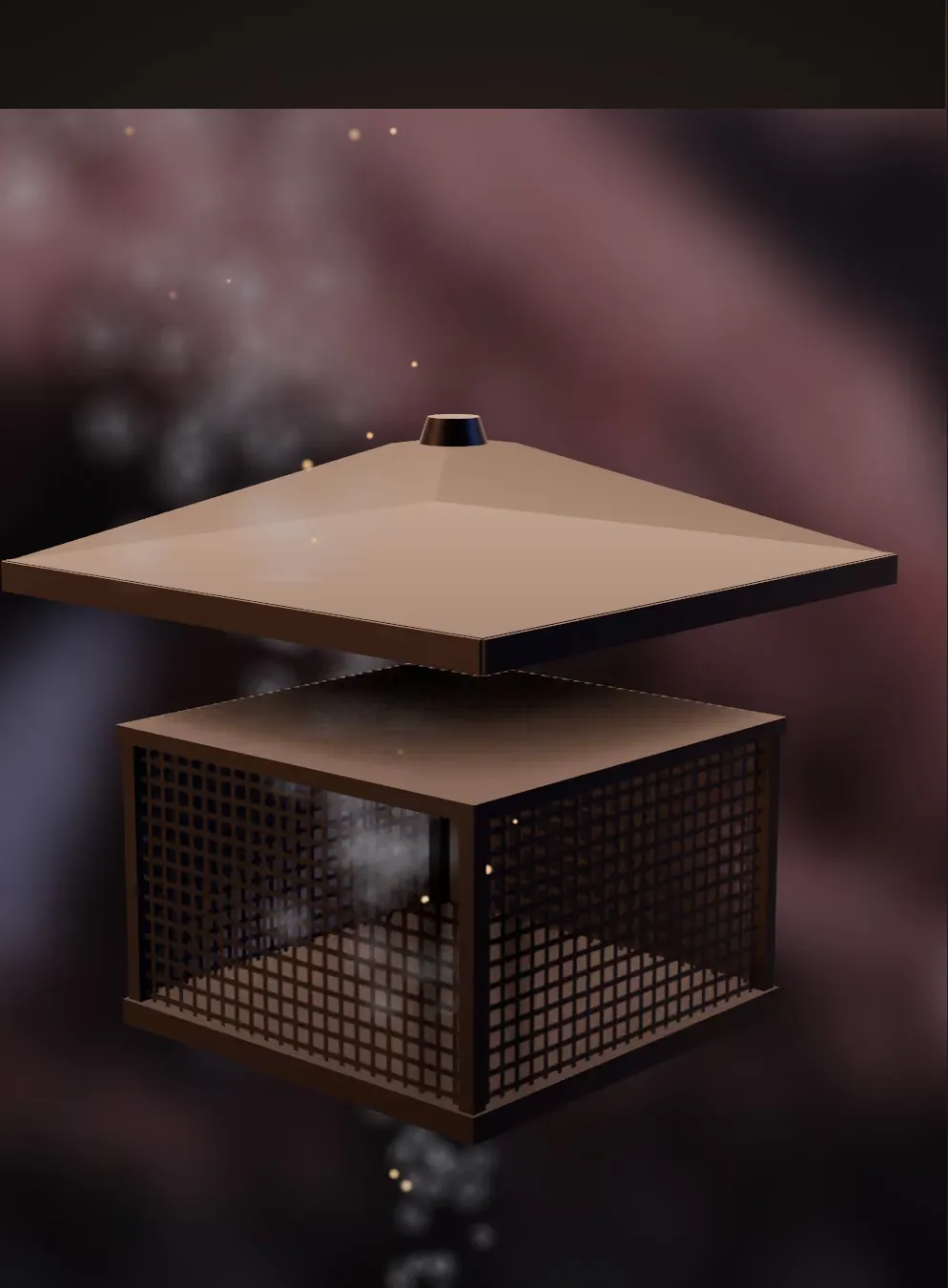
The cap meets hail, sun and wind before anything else. Its screen keeps animals out and embers in, and its lid shuts out rain and snow.
What we look at: hail dents, a screen that has worked loose, rust on the lid and its fixings.
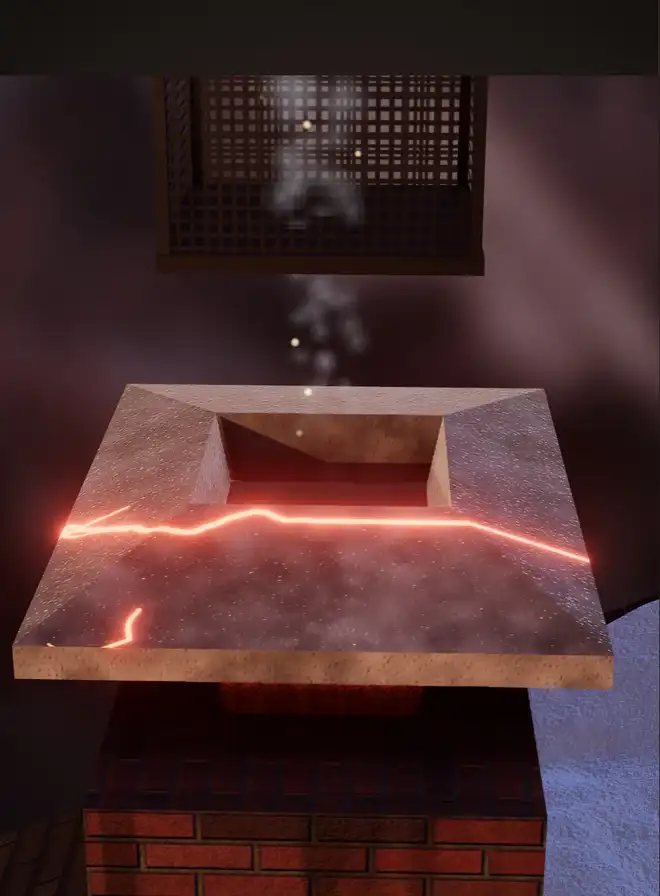
Crown
Under the lid
A hairline crack in the crown drinks in water by afternoon and keeps it overnight, and the January normal low at the Lakewood station is 21.1°F.
What we look at: fine cracks, chipped corners, a slab that has pulled away from the flue.
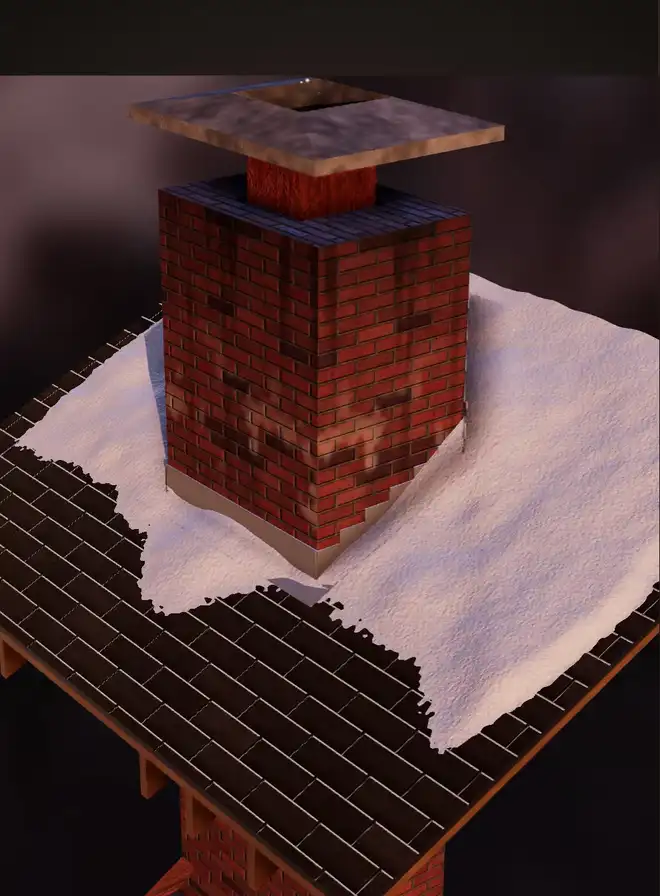
Flashing
Around the base
Flashing is the metal collar where chimney and roof meet. Wet snow thaws slowly along its upper edge, and a seam that has lifted lets that water through.
What we look at: an edge that has curled, sealant that has split, rust streaks, a damp patch on the ceiling below.
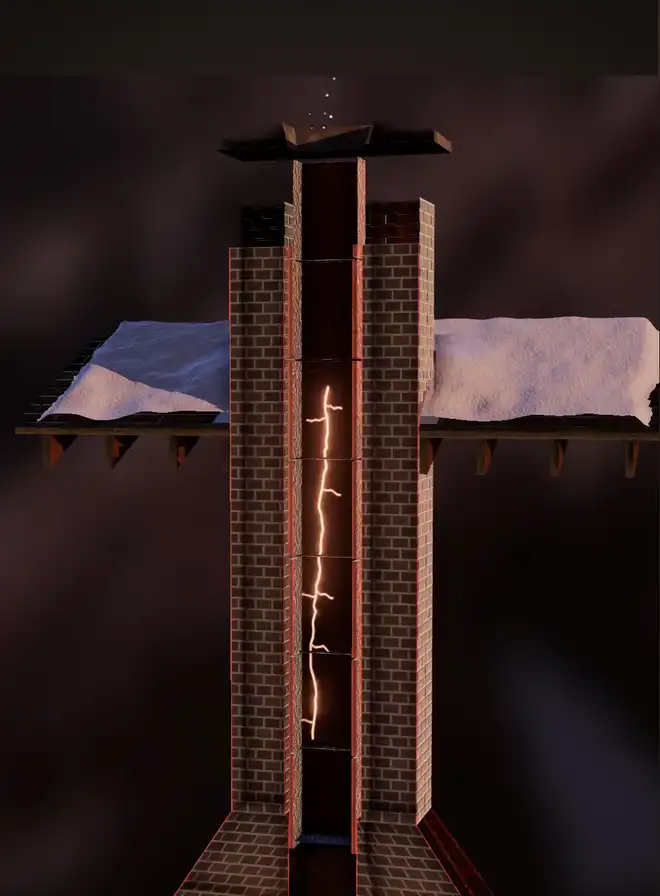
Flue liner
Inside the flue
The liner is the channel that carries smoke and gas out. Lakewood's median home dates from 1977, so a typical flue has nearly fifty years behind it, ample time for a tile to slip or a seam to corrode.
What we look at: a seam that has corroded or parted, a tile that has cracked or slipped, a liner that does not match the appliance.
Smoke chamber and damper
On the smoke shelf
Soot and creosote first collect on the smoke shelf above the damper. A hearth lit now and then fills gradually, a stove burned every day fills quickly, and neither stays empty.
What we look at: a glossy or tarry coat, a damper that closes fully, a shelf that crumbles or leans.
Firebox
At floor level
Flames bear on the firebox walls season after season. Firebrick splits and joints loosen. A narrow gap costs little to close, but one that has already let heat through to the framing is a bigger job.
What we look at: joints standing open, firebrick that flakes or splits, a hearth that stays level and firm.
Three levels of inspection.
NFPA 211, the standard for chimneys, fireplaces and vents, describes three levels of inspection, each reaching further than the one before.
Level 1
A chimney that is used steadily and has not been altered.
Covers Whatever is visible and within reach, with nothing taken apart.
Level 2
A change of owner, a modified heating setup, a chimney fire or any other event that may have harmed the system.
Covers Level 1, then the attic, the crawl space and the inside of the flue, filmed with a camera.
Level 3
A hidden hazard is suspected and a Level 2 left the question open.
Covers Level 2 work and the concealed parts, which may call for opening some of the structure.
Source: NFPA 211.Ask about an inspection
When to book one.
Waiting for a symptom finds trouble late. These are the moments that make an inspection worthwhile.
Before the first fire.
One inspection a year is what NFPA recommends, and the weeks before the heating season begins are a sensible slot for it.
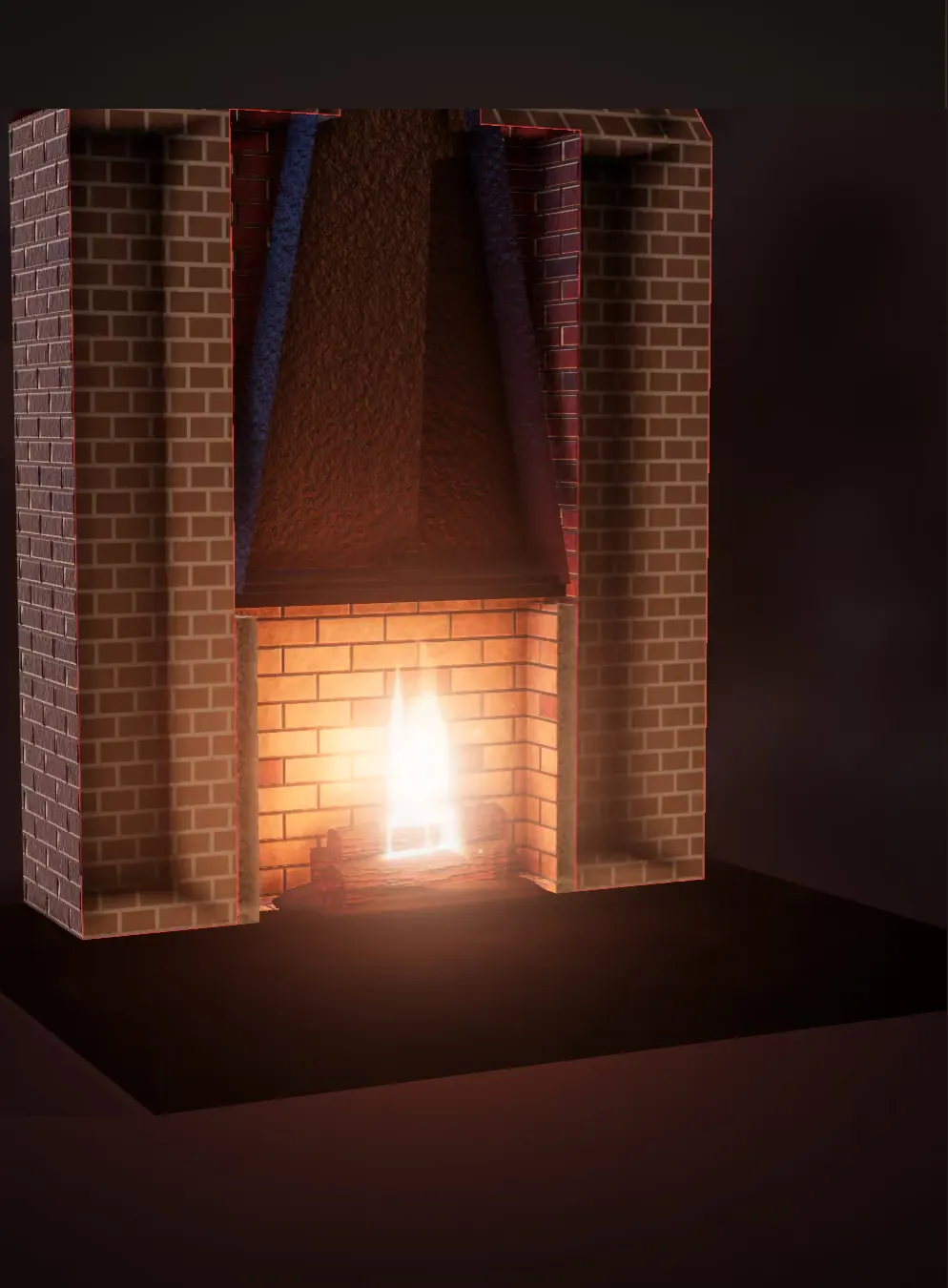
Illustration When a home changes hands.
NFPA 211 treats a sale or transfer as a Level 2 occasion, which brings in a camera pass through the flue. Lakewood's housing is old enough to justify it: adding the Census Bureau's categories from 1939 or earlier up through the 1970s (American Community Survey, 2020 to 2024) gives 41,051 of 73,547 homes, more than half.
Illustration After a chimney fire.
NFPA 211 counts a chimney fire, like any event that might have damaged the system, as a reason to go to Level 2.
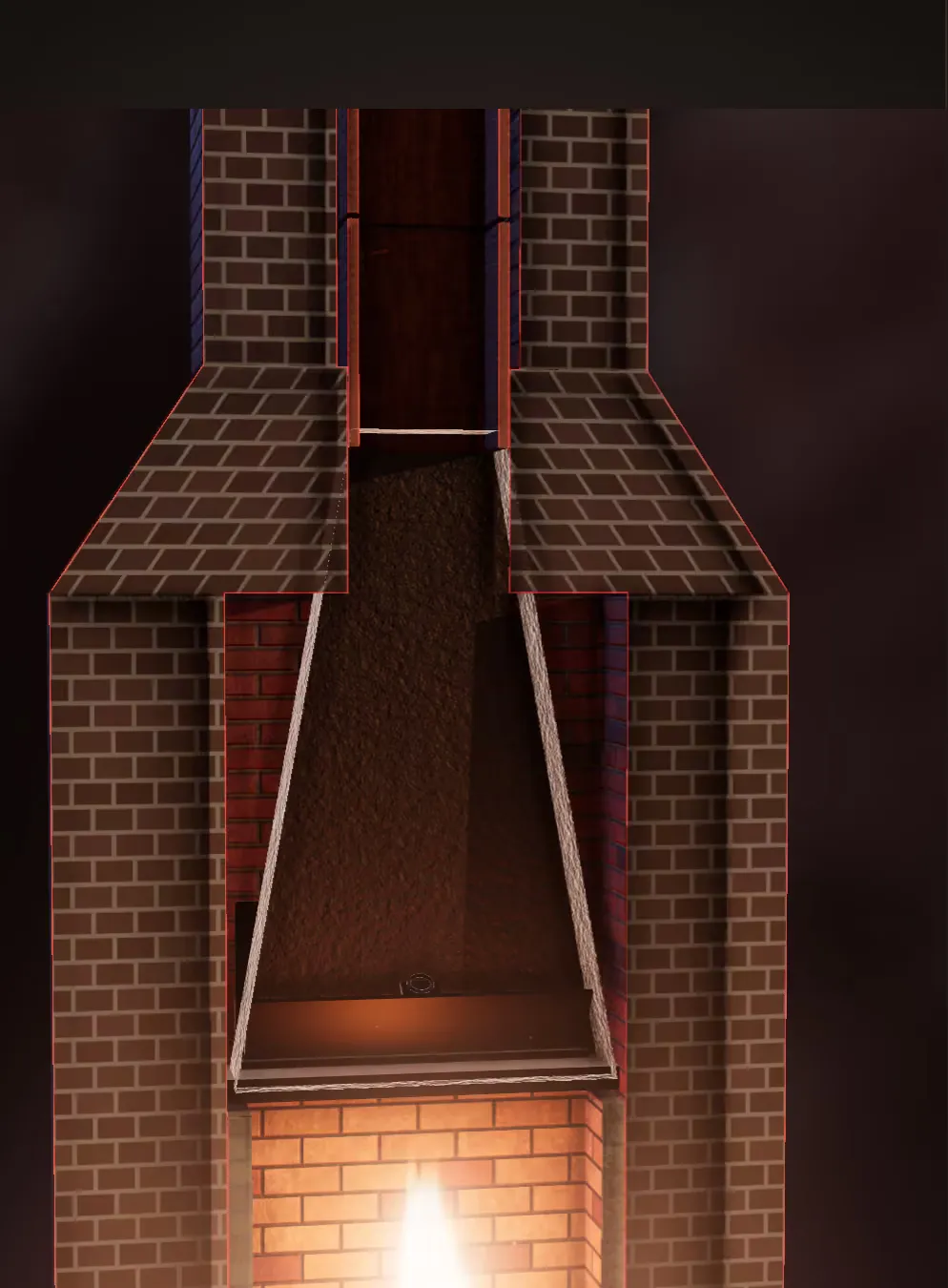
Illustration After heavy snow or strong wind.
Snow and wind reach the roof-level parts first: cap, crown and flashing. In NWS Boulder's account of the windstorm of April 6 and 7, 2024, Lakewood is listed with a 75 mph gust, within a storm whose gusts near the foothills ranged from 70 to 95 mph.
Illustration
Questions about inspections.
Short answers, each naming a source where there is one.
Is an annual inspection a legal requirement?
NFPA 211 recommends one each year. Whether a law applies to your home depends on local codes. How often to sweep follows how much you burn, not the calendar.
Should the chimney be checked when buying or selling?
Worth doing, since a sale or transfer is one of the occasions for which NFPA 211 calls for Level 2. That level looks into the spaces above and below the house as well and films the flue, where Level 1 only covers what can be reached.
What gets examined?
Everything from the roofline down. The cap, crown and flashing come first, the liner next, then the smoke chamber with its damper, and the firebox last. Every part has its own checklist above.
How can I book an inspection?
Call (983) 955-9455, or send the form below, which takes requests at any hour.
Tell us about your chimney.
Say what you have noticed on the form, or pick up the phone. Someone gets back to you to choose a day.
- 1You get in touch Phone the office, or write a few lines on the form.
- 2Someone calls you back We talk and find a day that works for you.
- 3The visit, top to bottom The work follows the stack from the roofline down to the hearth.
- 4Your decision Afterward we explain what we saw. What happens next is up to you.
By form
Any hour of the day or night
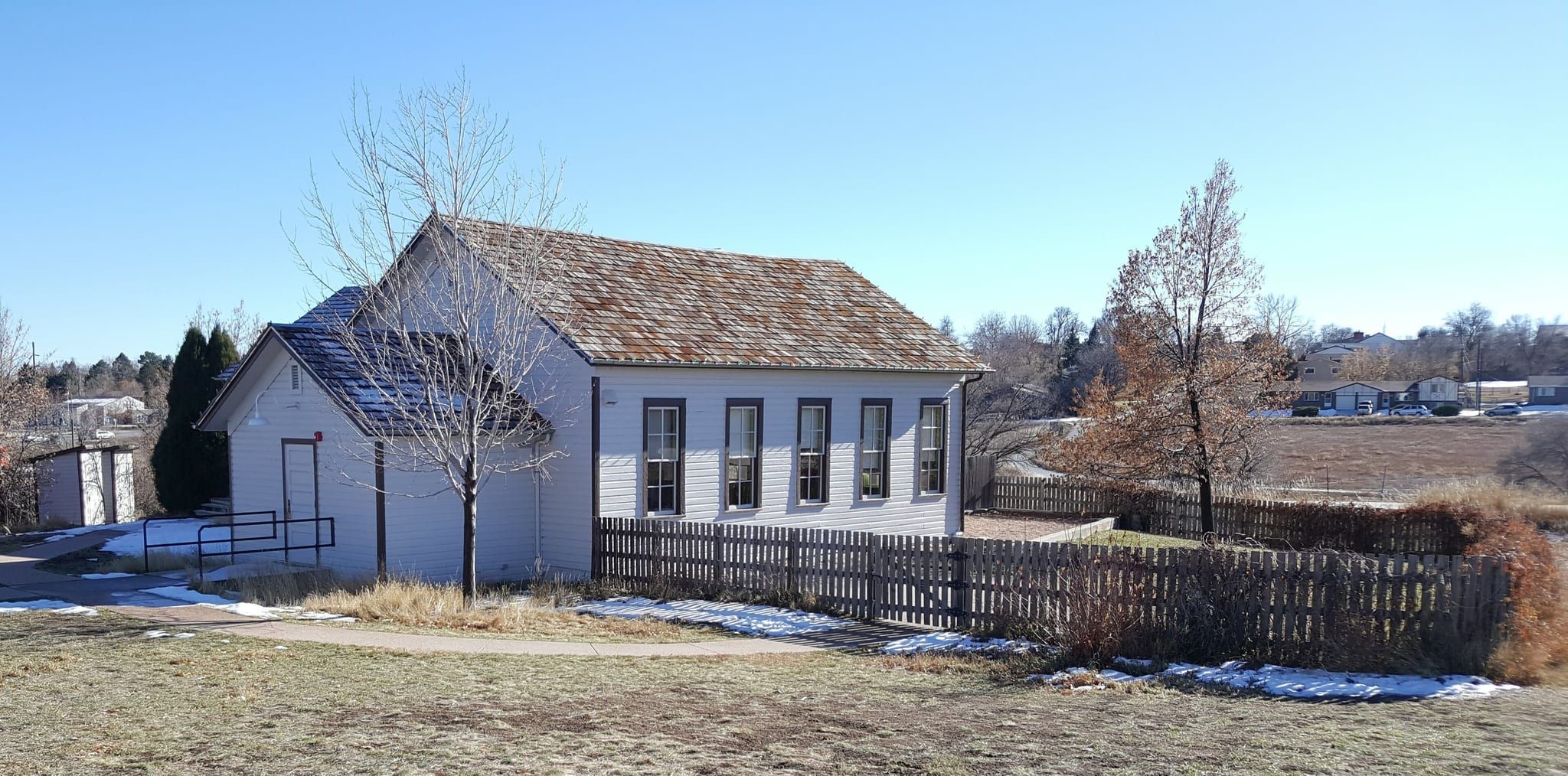
Photo: Country School and yard, Lakewood Heritage Center, Xnatedawgx, CC BY-SA 4.0