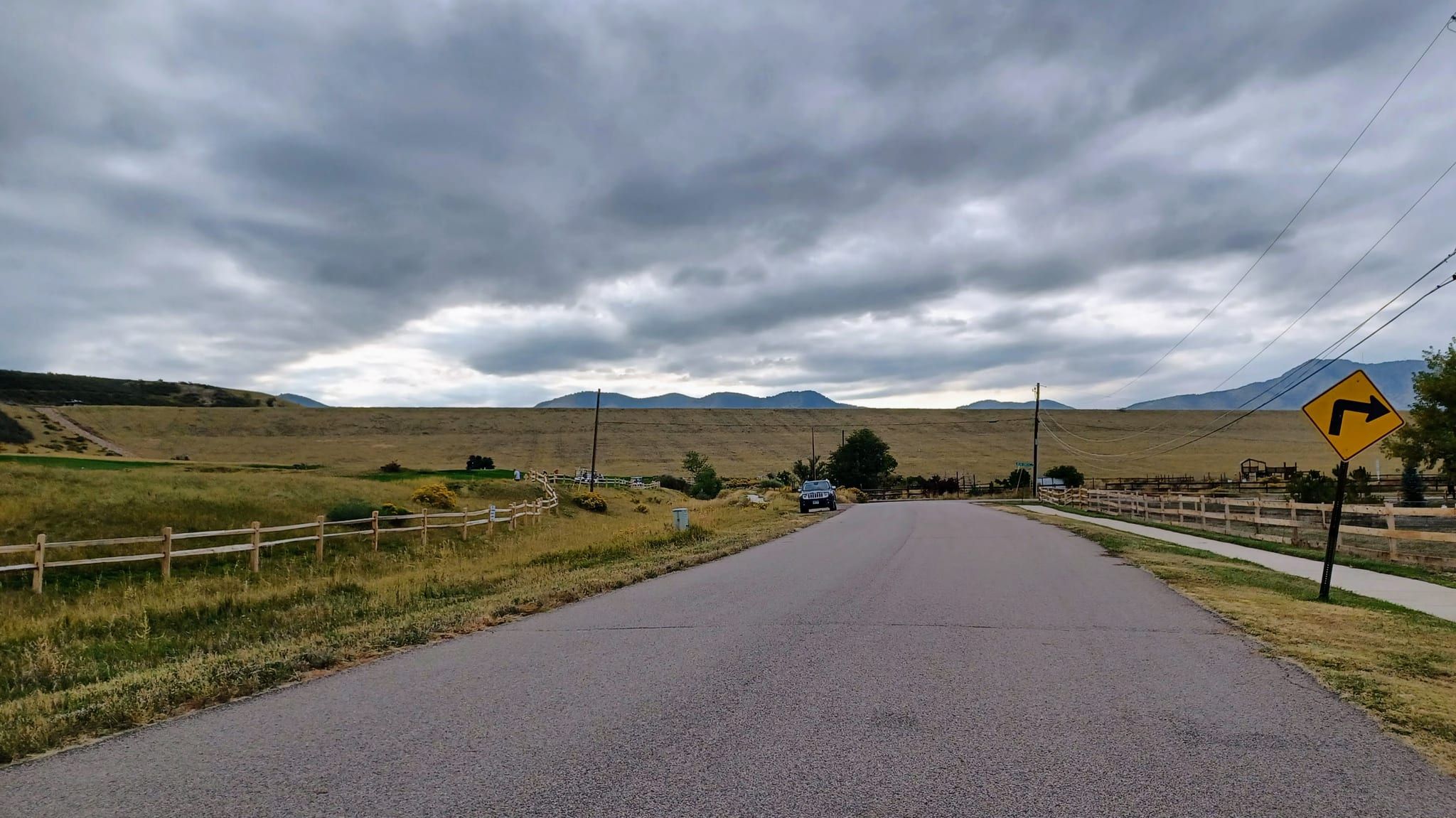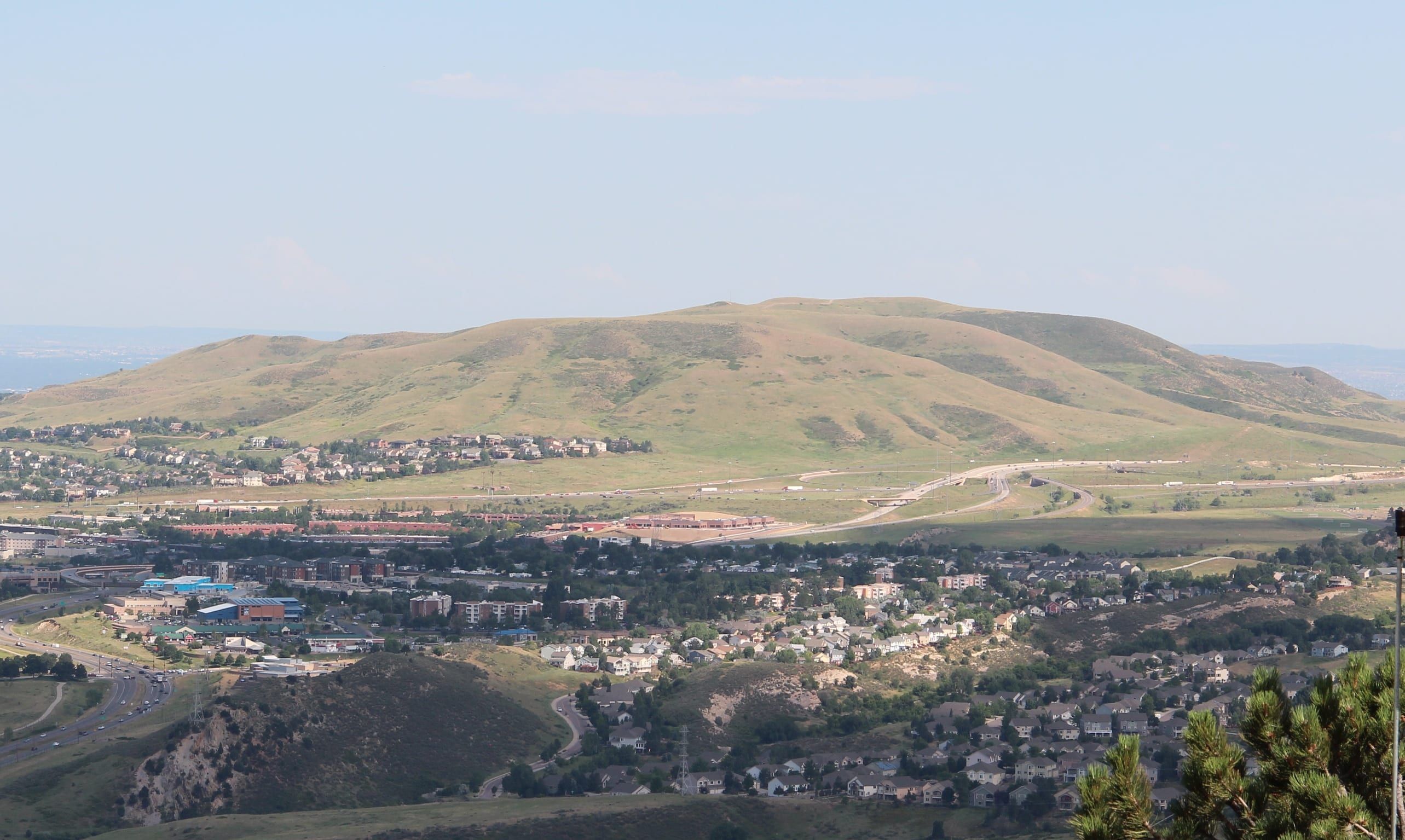
Green Mountain rising above the neighborhoods and roads of Lakewood, its grassy slopes under a pale, almost cloudless sky

Chimney sweeping, inspection and repair for homes across Lakewood.

A Jefferson County city at the foot of the foothills, where more than half of the homes were built before 1980.

  • Write to usAny hour, day or night
  • A person calls backTo settle a day
  • Based in LakewoodJefferson County, CO

Photo: Thomson200, CC0

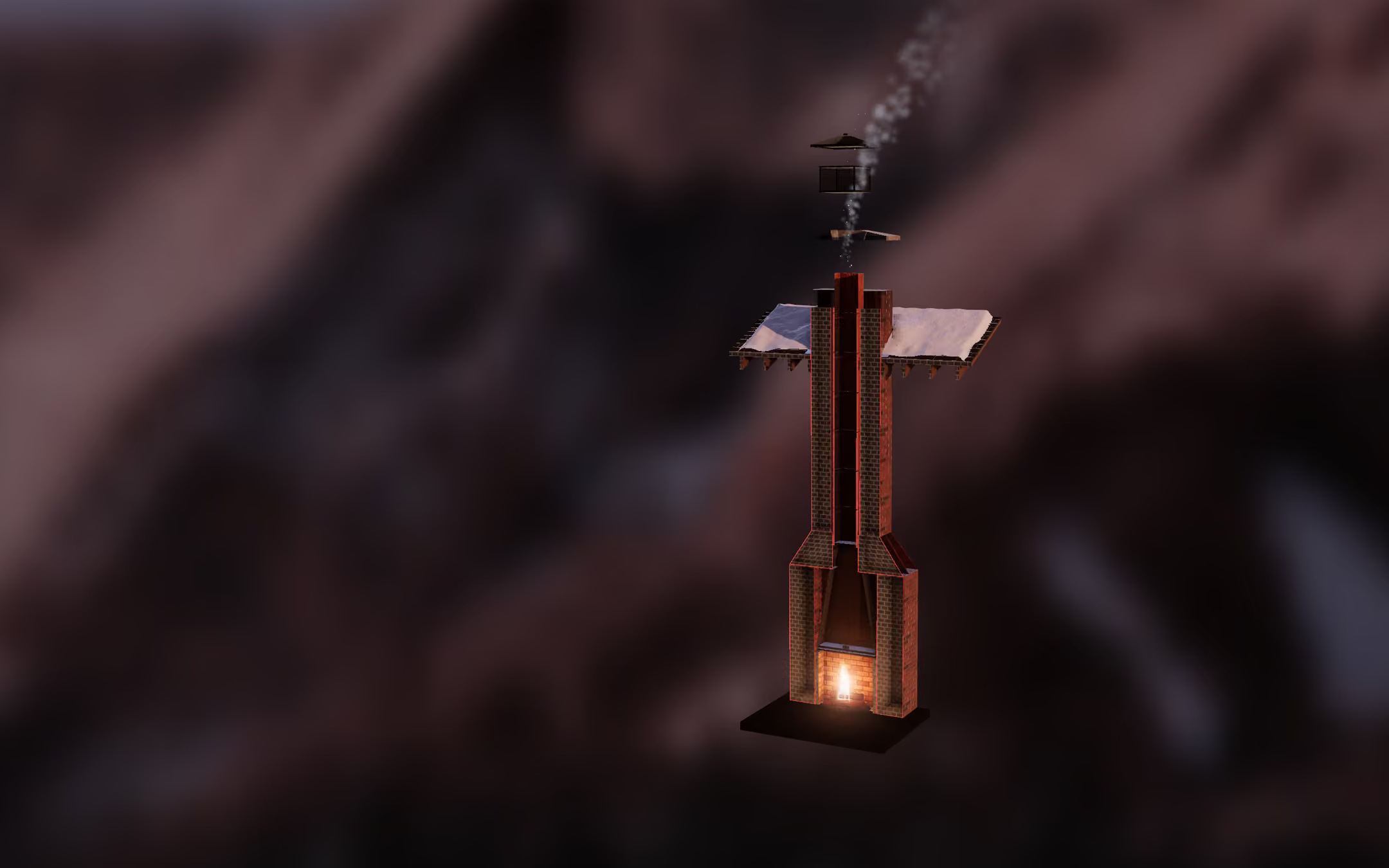
Six parts, from cap to firebox, and how a Lakewood winter reaches each one.

Choose a part to see what we look at, and what freezing mornings, wind and dry air do to it on this side of Denver.

Start at the cap
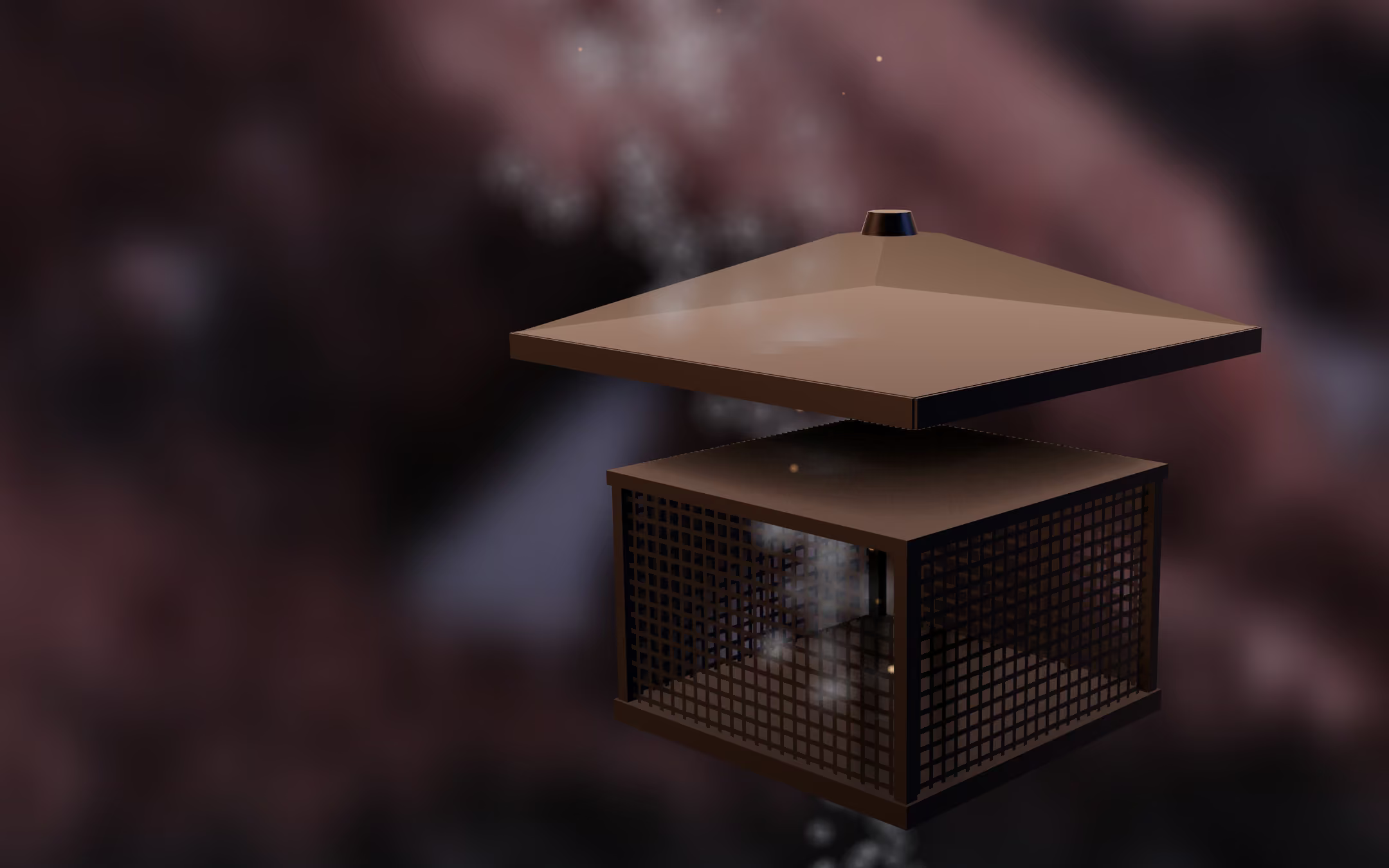
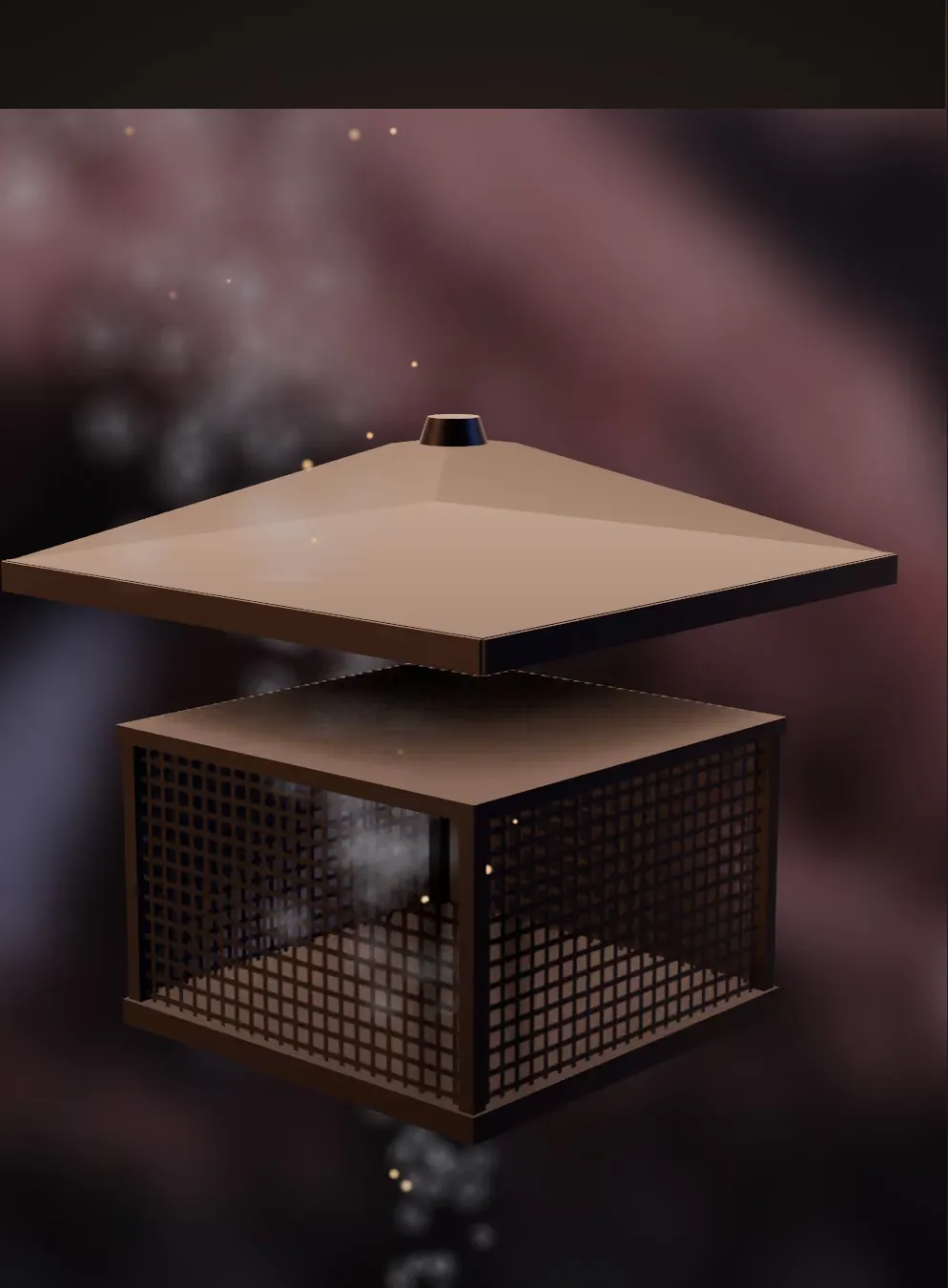
  1. An illustration of a chimney cap, a screened box under a lifted roof
    Illustration

    1At the very top

    Cap

    The cap sits where hail, wind and snow strike first. Its screen stops embers from leaving, and its lid keeps rain and nesting birds out of the flue.

    What we look at: dents left by hail, a screen that has pulled loose, rust on the lid or the screws holding it.

    Up next: Crown
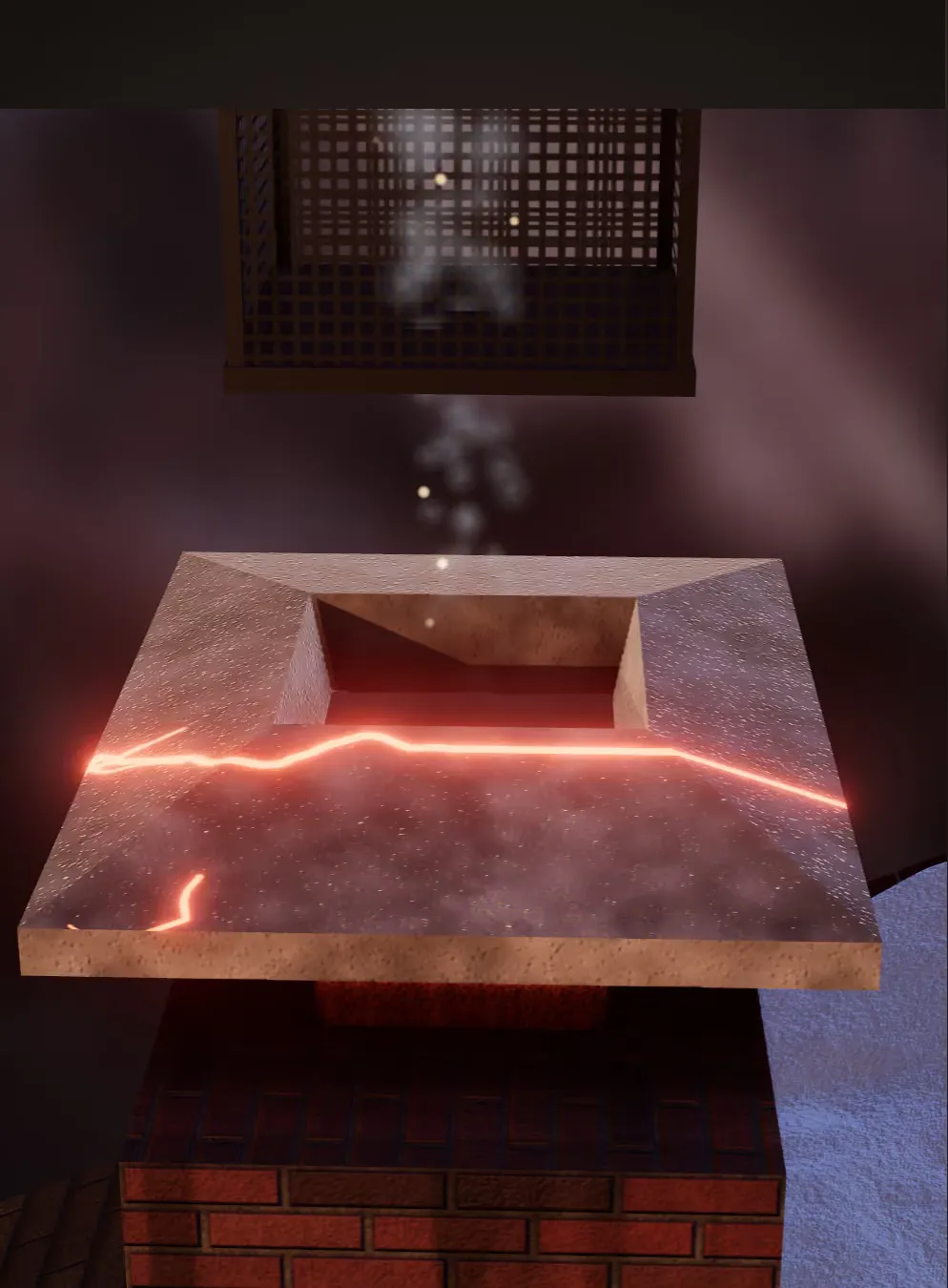
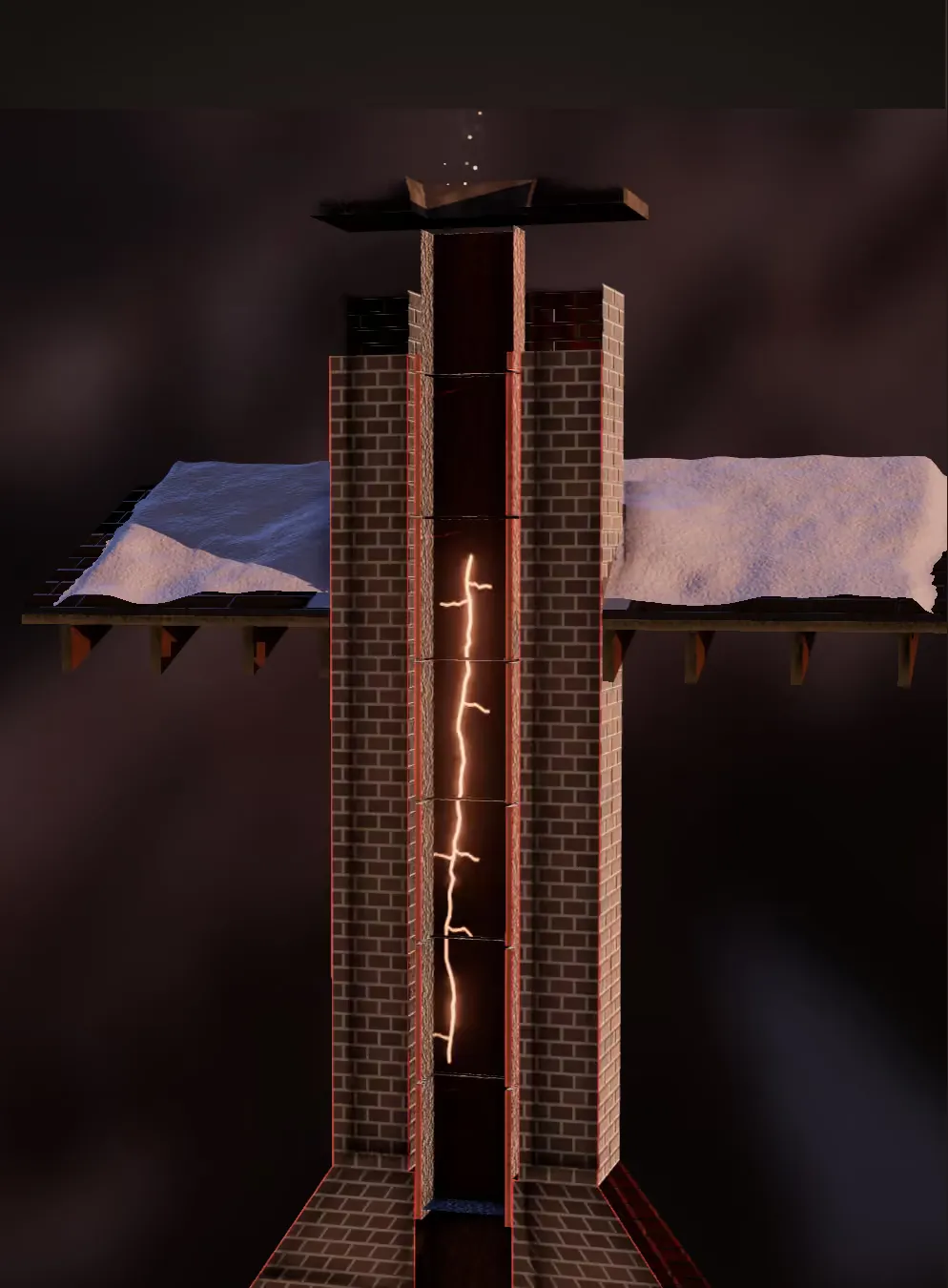
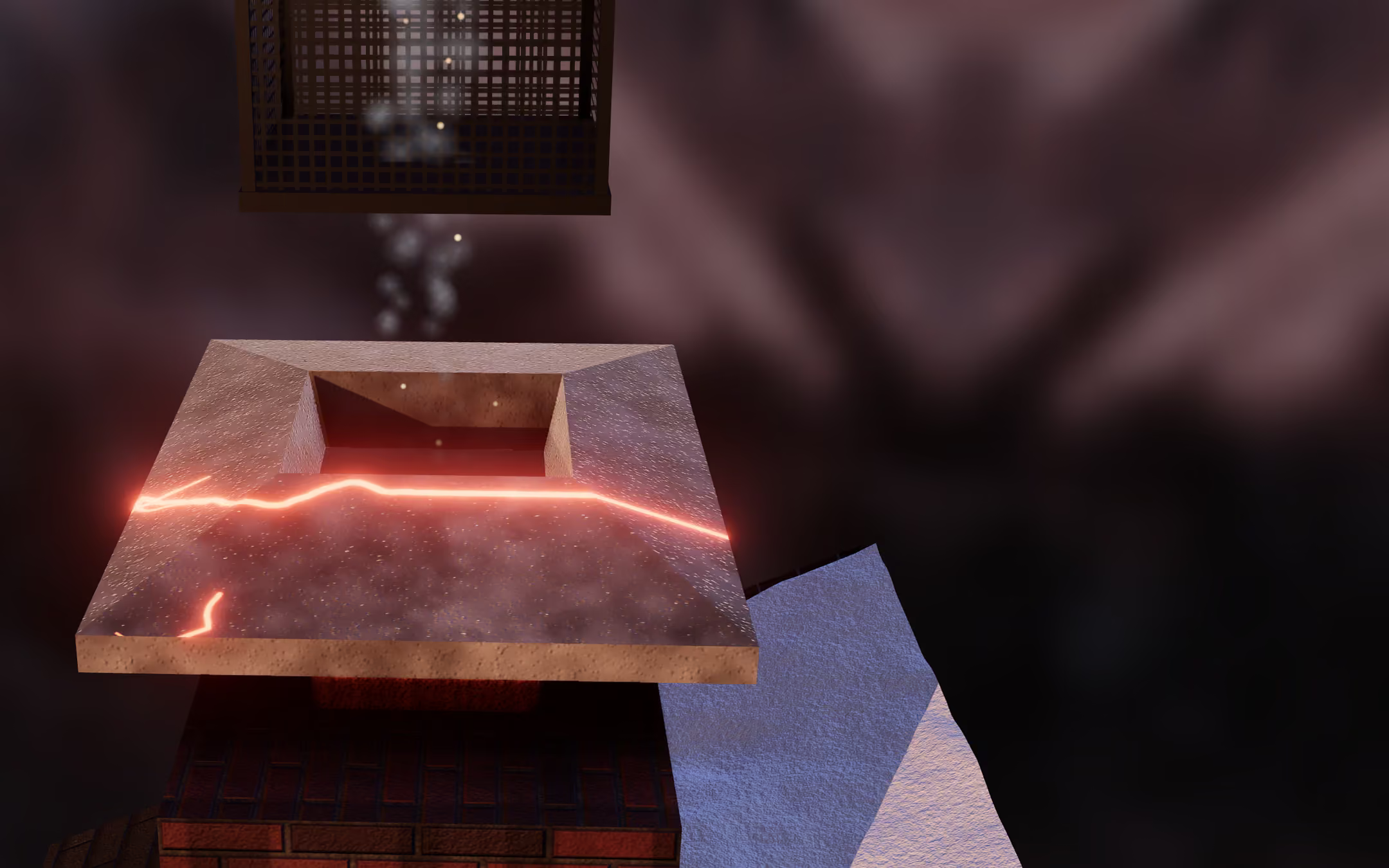
  2. An illustration of a concrete chimney crown with a glowing crack across it
    Illustration

    2Under the lid

    Crown

    Water that lands on the crown has to run off, not soak in. In a normal Lakewood January the thermometer climbs from 21.1°F at night to 44.8°F by day, so melt that seeps into a crack at midday can be frozen solid by dawn.

    What we look at: fine cracks, chipped corners, any gap between the slab and the flue tile.

    Up next: Flashing
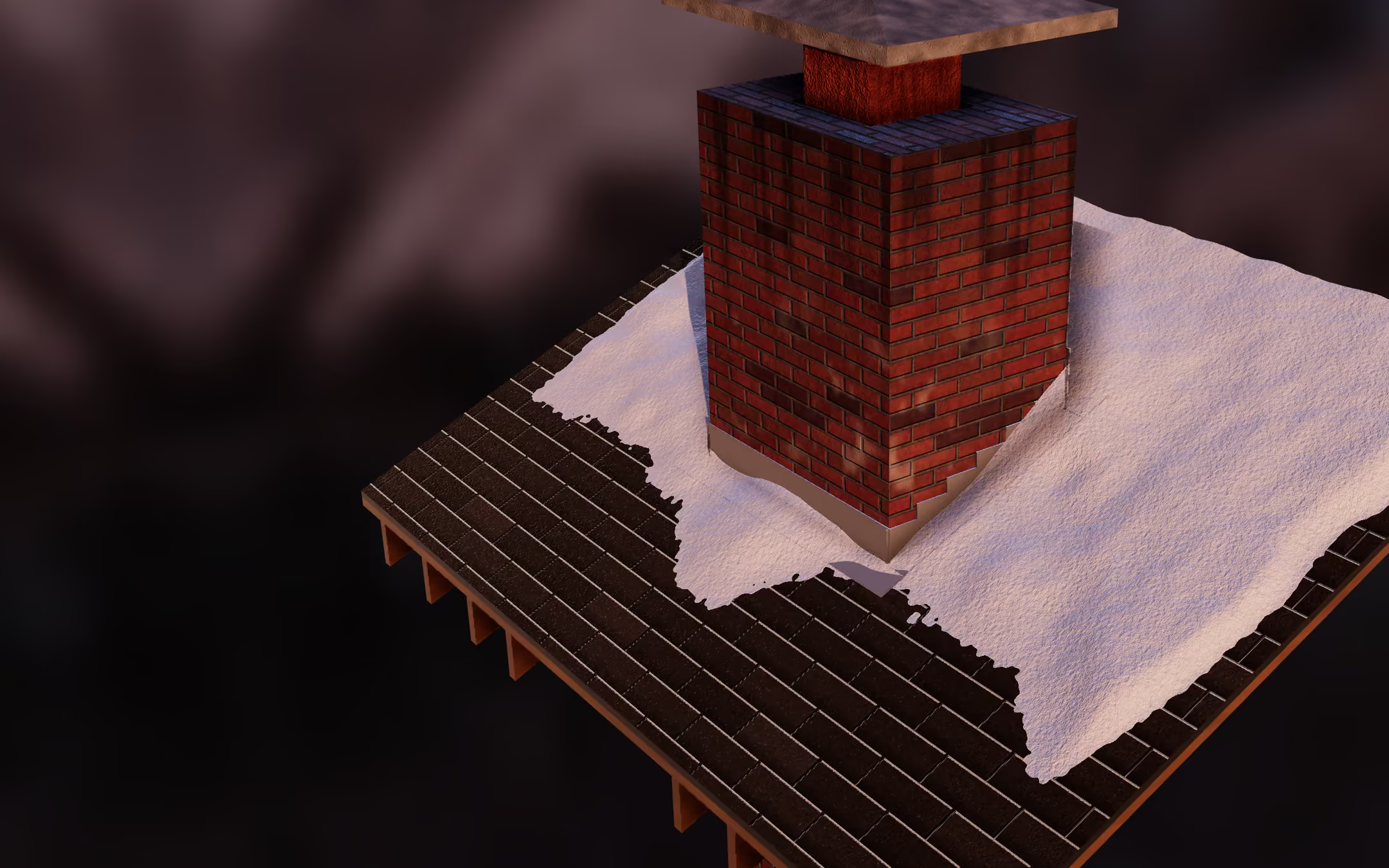
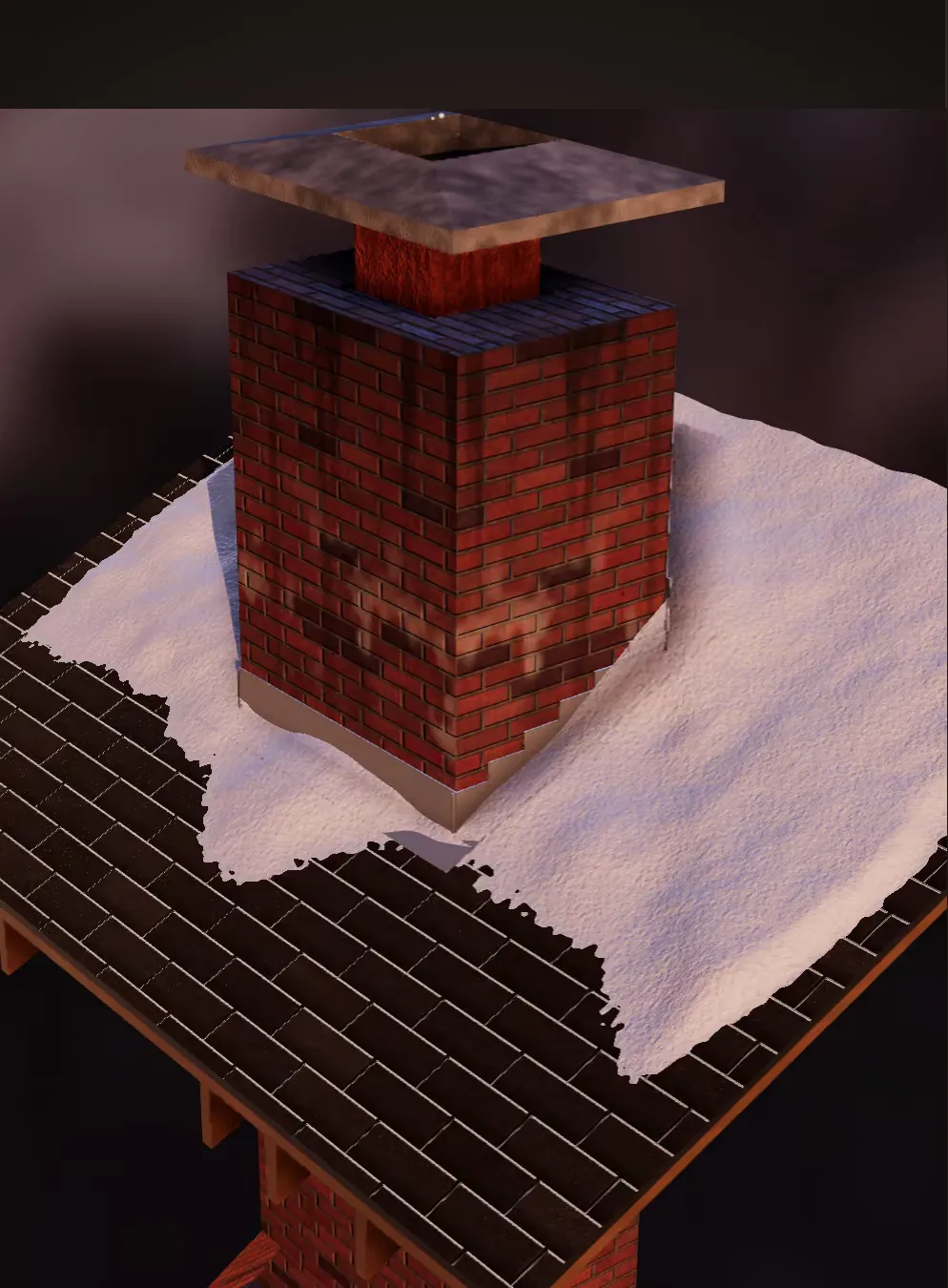
  3. An illustration of the chimney where it meets a snow-covered roof
    Illustration

    3Around the base

    Flashing

    Where the stack goes through the shingles, a metal collar shuts out the weather. If one edge lifts or the sealant dries out, snowmelt slips behind the brick and often shows up first as a stain on a ceiling.

    What we look at: a lifted edge, sealant that has split, streaks of rust, a stain on a ceiling or an attic wall.

    Up next: Flue liner
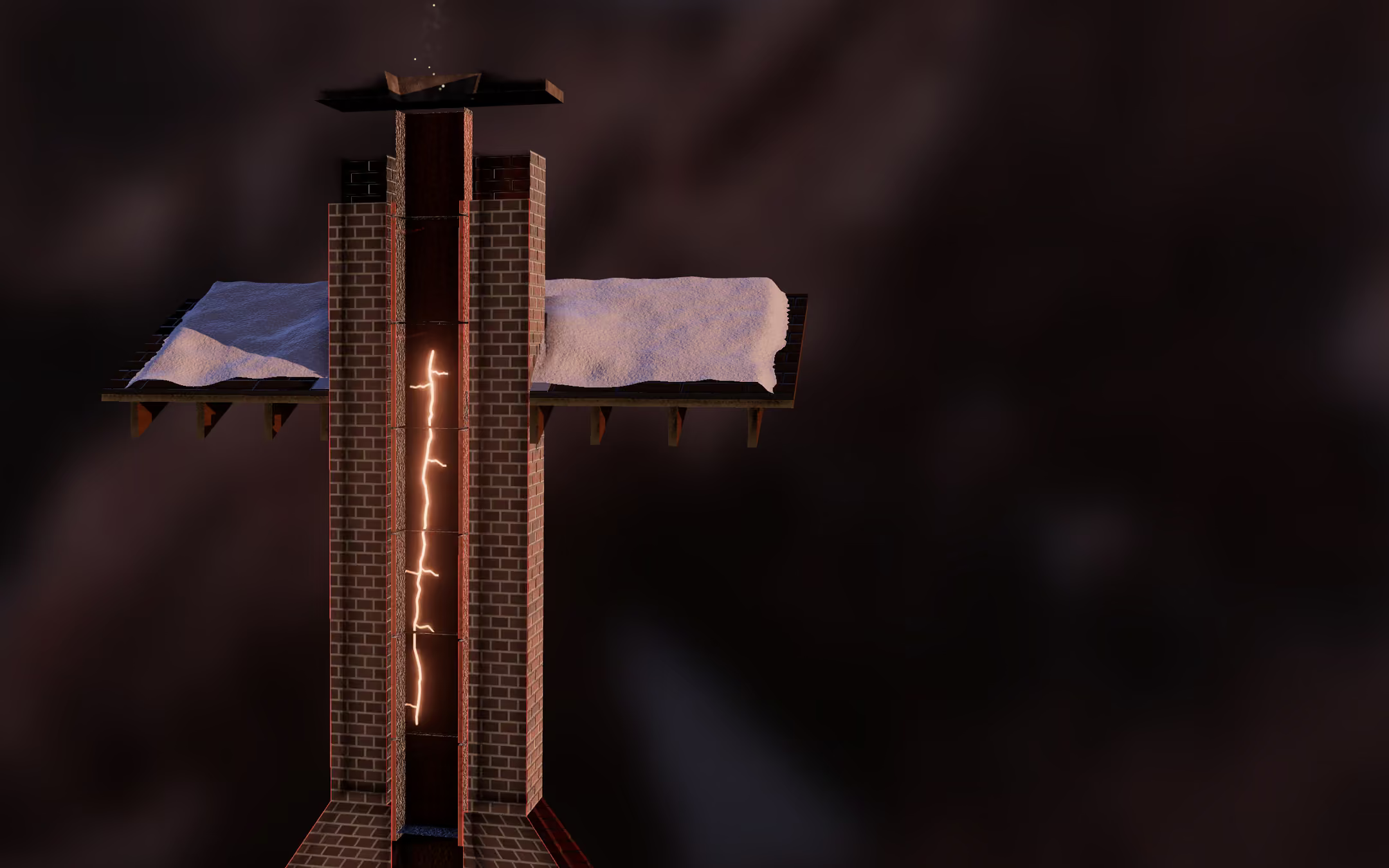
  4. An illustration of a chimney cut open to show the flue liner inside
    Illustration

    4Inside the flue

    Flue liner

    Out of sight inside the masonry, the liner carries smoke away. Lakewood's median house went up in 1977, and the 1970s are its biggest building decade at 15,887 of 73,547 homes, so plenty of flues here have decades of service behind them.

    What we look at: seams rusted open, tiles cracked or slipped, a liner that is wrong for the appliance.

    Up next: Smoke chamber
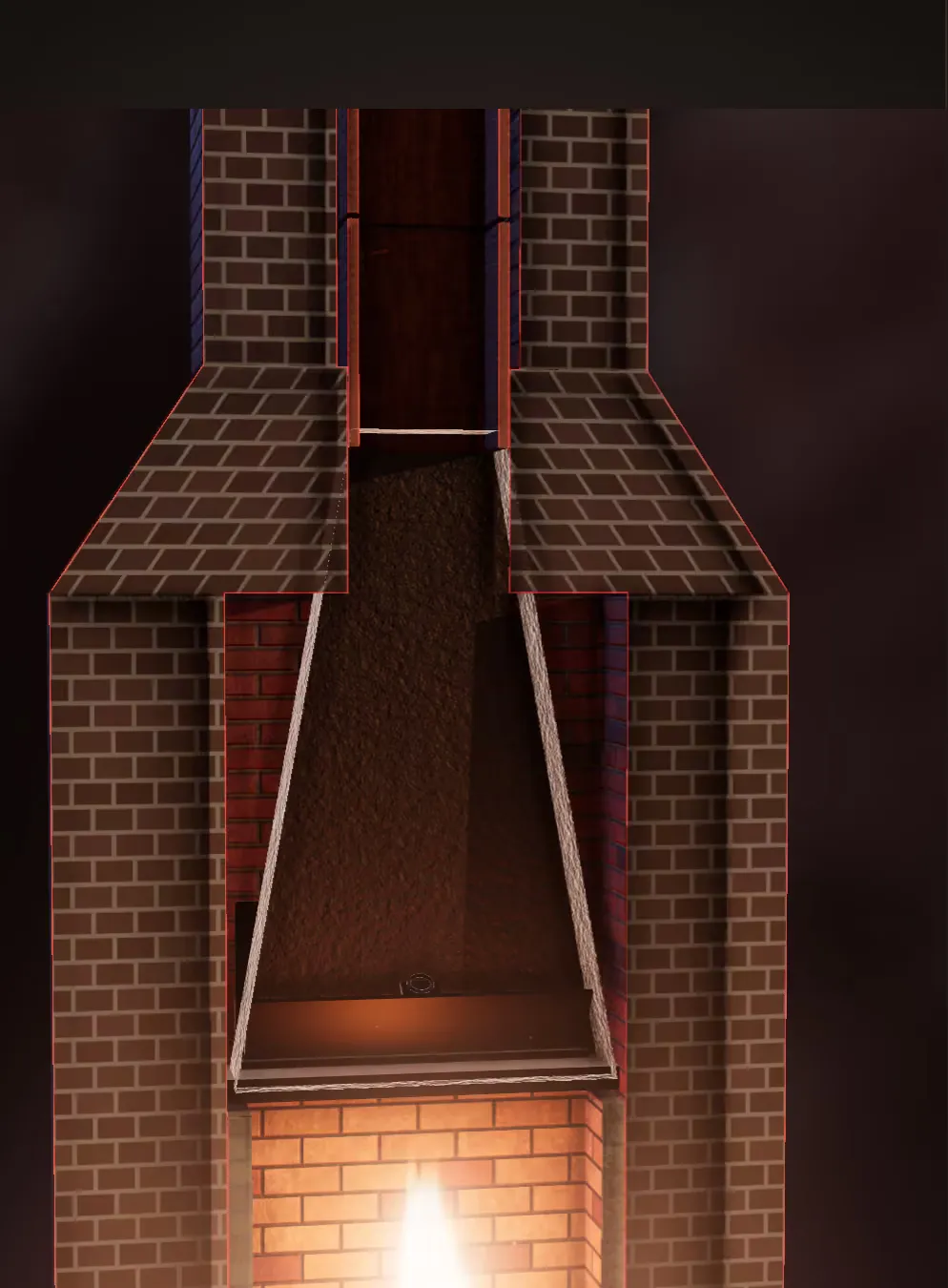
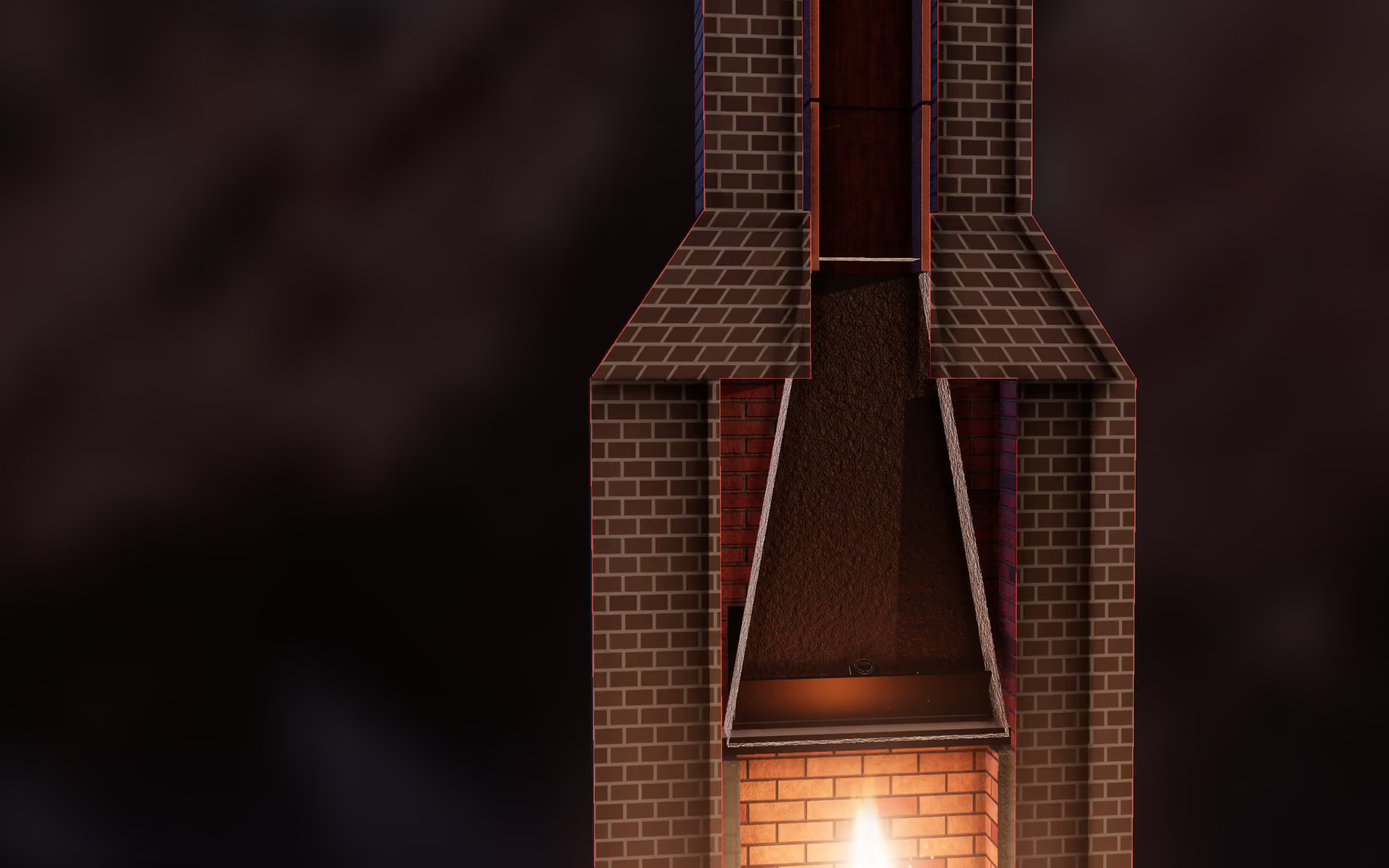
  5. An illustration of the smoke chamber above a fireplace opening
    Illustration

    5On the smoke shelf

    Smoke chamber and damper

    Right above the damper, a shelf of masonry catches the first soot and creosote. A nightly fire loads it fast and an occasional one slowly, but any fire loads it, and a damper left open lets heated air from the room escape up the flue.

    What we look at: a glossy or tar-like coat, a damper that seats completely, a shelf that crumbles or tilts.

    Up next: Firebox
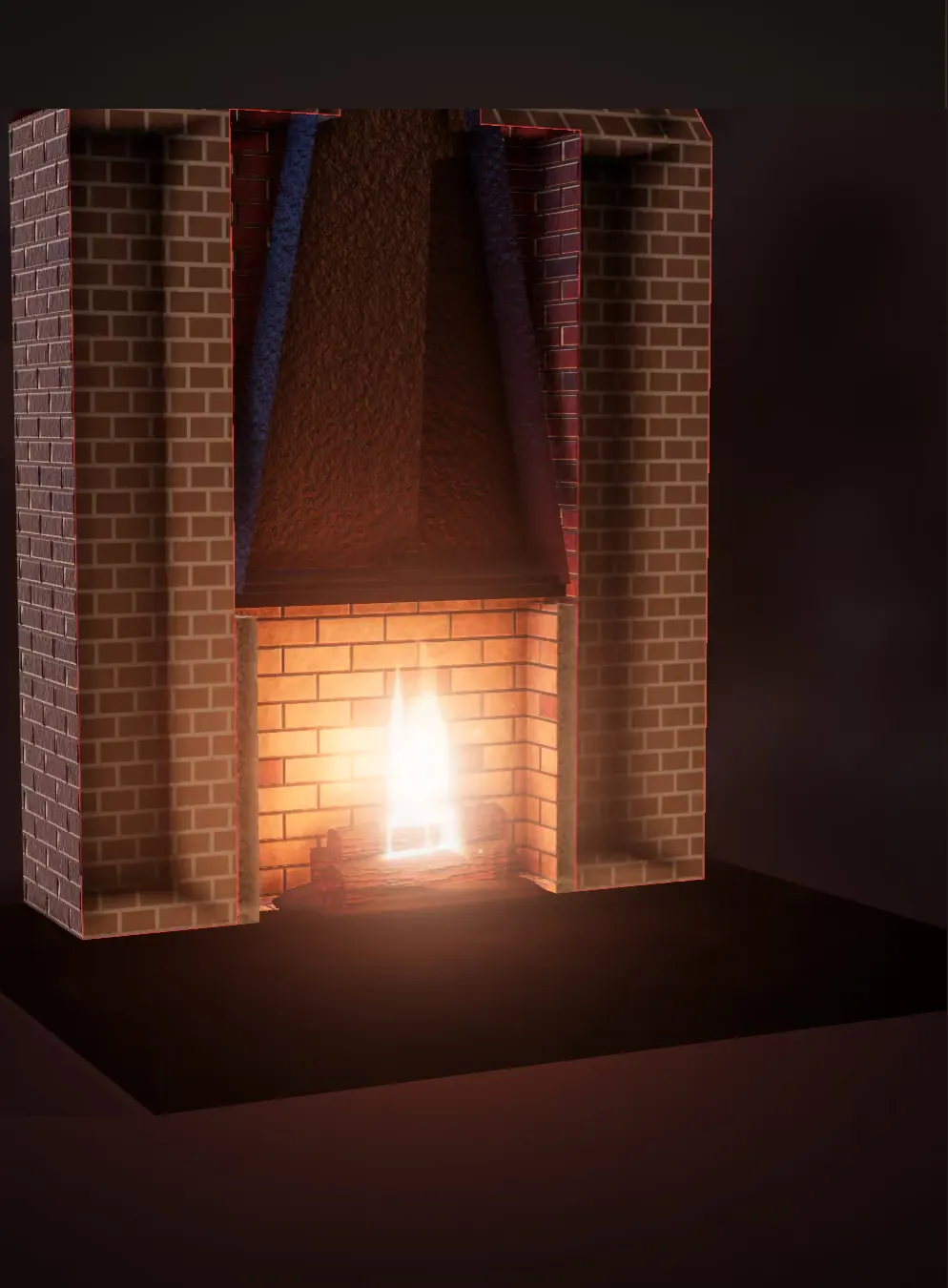
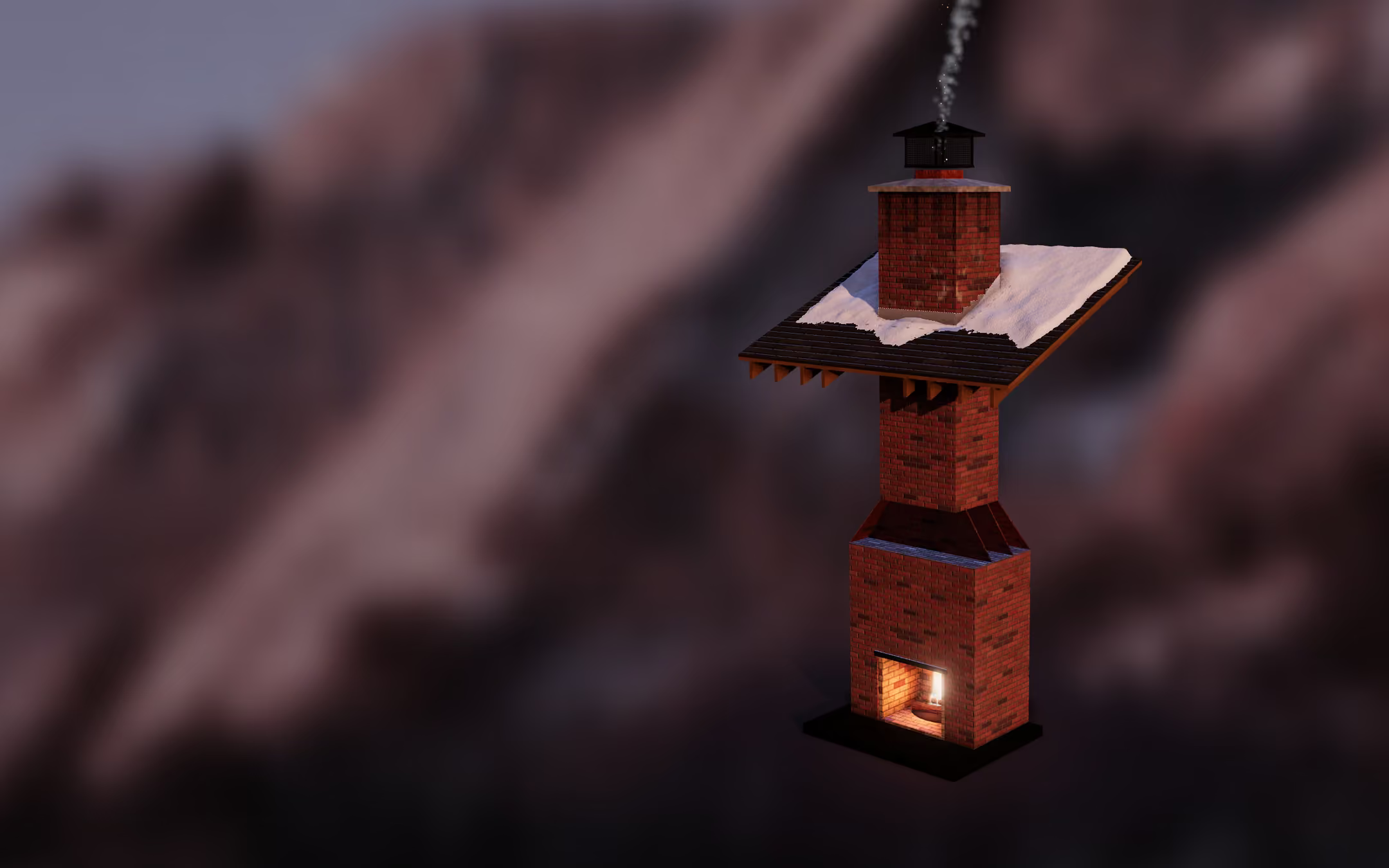
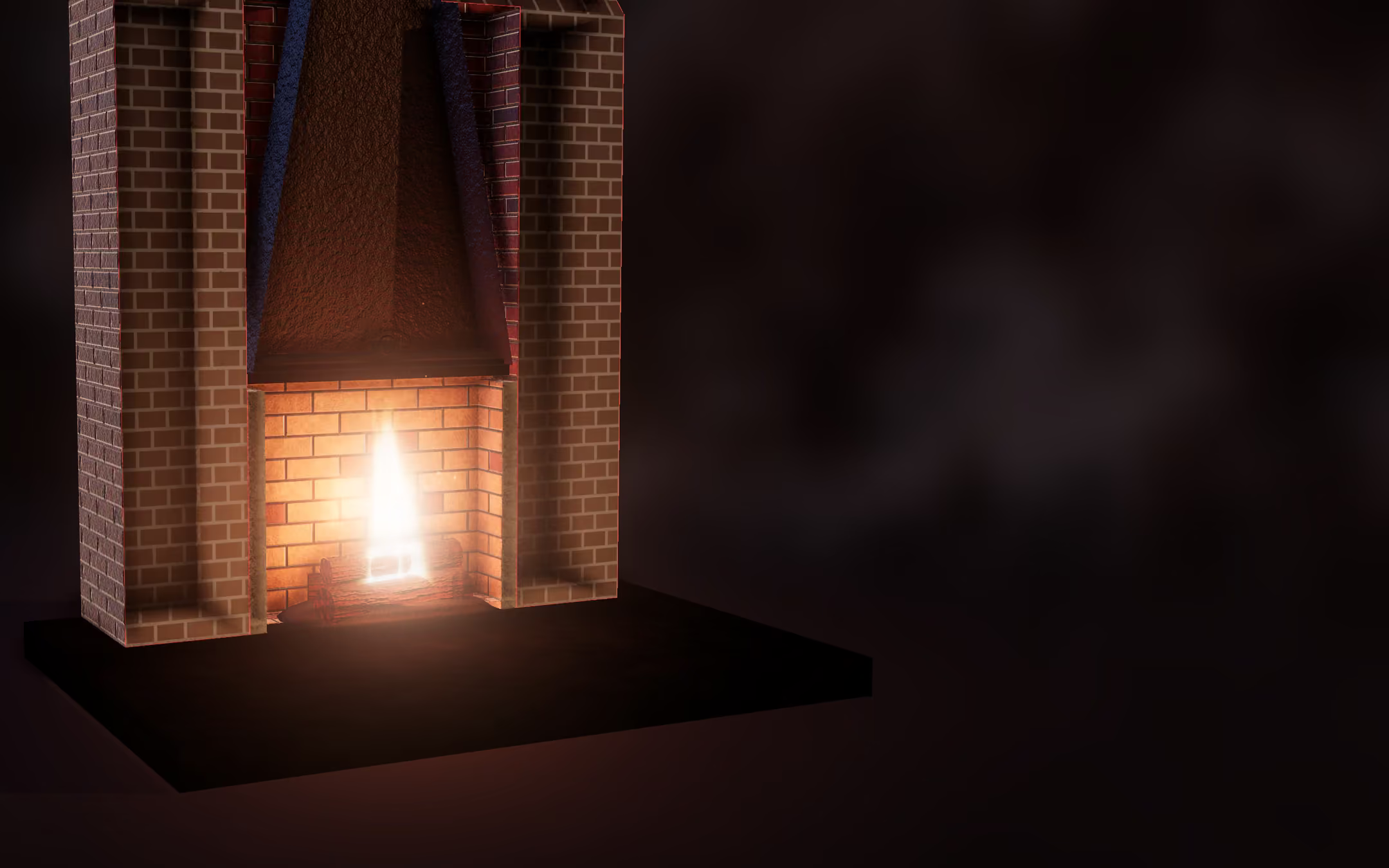
  6. An illustration of a firebox with a fire burning
    Illustration

    6At floor level

    Firebox

    The firebox walls take the heat of every fire. In time the firebrick cracks and the joints between the bricks open. A hairline gap costs little to close, but once it has passed heat to the framing behind it, the repair grows.

    What we look at: open mortar joints, firebrick that flakes or splits, a hearth that sits level and firm.

    Show every part

What we look after, from roofline to hearth.

  1. An illustration of the smoke chamber above a fireplace opening, where creosote collects
    Illustration

    Brushes loosen the soot and creosote coating the flue, the smoke shelf and the floor of the firebox, and everything that comes down is carried out. With a clean flue the fire draws well and a stray spark has less to catch on.

    • Flue brushed from damper to cap
    • Smoke shelf and firebox floor
    • What we found, explained simply
    How a sweep works
    Set up a sweep
  2. An illustration of a chimney cut open to show the flue liner inside
    Illustration

    Each part gets a methodical look from the cap to the firebox: every year, after a storm or a chimney fire, and when a house is bought or sold, which NFPA 211 treats as a Level 2 occasion.

    • Roof-level parts: cap, crown, flashing
    • The flue from top to bottom
    • Each problem named in plain words
    What an inspection covers
    Set up an inspection
  3. An illustration of a concrete chimney crown with a glowing crack across it
    Illustration

    Worn mortar, split firebrick, damaged caps, cracked crowns and tired flashing are the usual jobs. A small flaw dealt with in fall is easier than the same flaw after a winter of hard frosts.

    • Crowns repaired or recast
    • New caps and screens
    • Flashing resealed, joints repointed
    What a repair involves
    Set up a repair
  4. An illustration of a firebox with a fire burning
    Illustration

    For a fireplace or stove that burns only now and then: ash and soot taken out of the firebox and off the shelf, the pipe brushed, and the damper worked through its full swing.

    • Firebox and shelf emptied
    • Stove, insert and connector pipe
    • Damper tested open and shut
    Stoves and open hearths
    Set up a cleaning

How Lakewood weather wears on a chimney.

Three kinds of weather this side of the Front Range, and why a small fault is easier to fix early.

  1. 01 / 03

    153.8. Mornings a year with a freezing low

    NOAA's 1991 to 2020 normals for the Lakewood station show a low of 32°F or colder on 153.8 days of a typical year, 28.7 of them in January. January's average day swings from 21.1°F to 44.8°F, and December's from 20.0°F to 44.6°F. Water that creeps into a crack during the afternoon thaw refreezes overnight, again and again, and a hairline crack seen in autumn is often a wider one by spring.

    Source: NOAA, 1991 to 2020 normals, station USC00054762 (Lakewood)

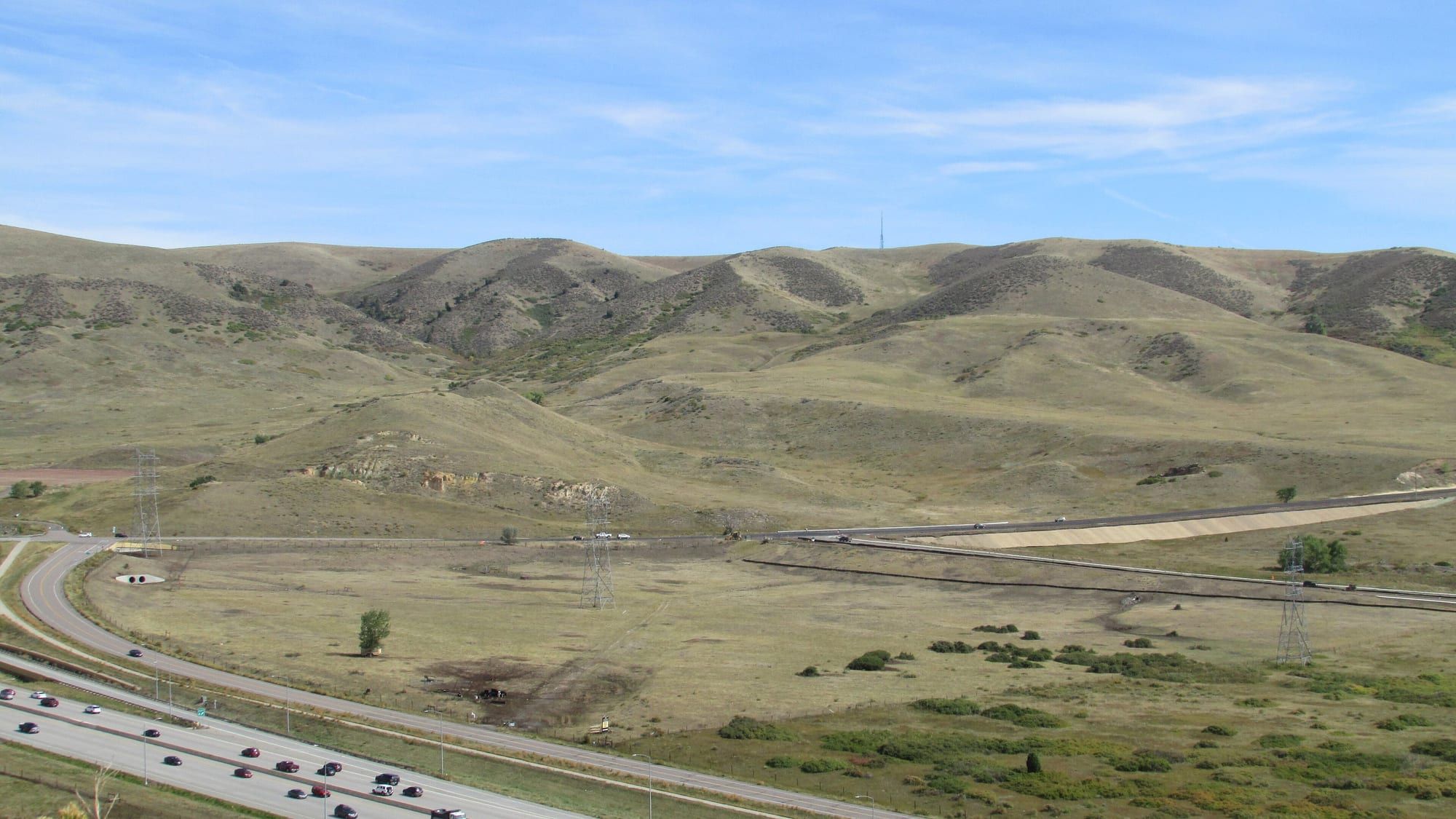
    Photo: Bradley Gordon, CC BY 2.0

    Photo: Bradley Gordon, CC BY 2.0

  2. 02 / 03

    75 mph. The gust listed for Lakewood in the April 2024 windstorm

    In NWS Boulder's write-up of the windstorm on April 6 and 7, 2024, gusts along and near the foothills ranged from 70 to 95 mph, and Lakewood appears among the Jefferson County reports with 75 mph. Caps and crowns take the brunt of a wind like that, so after one we check for lids that have lifted, screens that have worked loose and seams that have opened.

    Source: NWS Boulder, summary of the April 6 and 7, 2024 windstorm

    Photo: Xnatedawgx, CC BY-SA 4.0

    Photo: Xnatedawgx, CC BY-SA 4.0

  3. 03 / 03

    0.53 in. December, the driest month

    The Lakewood station's 1991 to 2020 normals put December at 0.53 inch of precipitation, January at 0.64 and February at 0.77, in a year that totals 17.54 inches. Parched grass and aged shingles catch from a single ember in air that dry. That is the job of the screen on a cap, and the model residential code (section R1003.9.2) sets 1/2 inch as the widest opening it may have.

    Source: NOAA, 1991 to 2020 normals, station USC00054762 (Lakewood); IRC R1003.9.2

    Photo: Chris Light, CC BY-SA 4.0

    Photo: Chris Light, CC BY-SA 4.0

Lakewood, from Belmar to Bear Creek Lake Park.

We are based in Lakewood, the most populous city in Jefferson County, just west of Denver where the plains meet the foothills. It was incorporated in 1969 with more than 90,000 people already living inside its limits, and the 2020 census counted 155,984. The map below draws the present city limits and eight named places inside them: in the north, in the east, just west of it, near the middle, on the western edge, south of the middle, farther south and in the southwest.

Not sure your street is inside our area? Call (983) 955-9455 and we will tell you.

City of LakewoodContours, one every 100 ft

Elevation: AWS Terrain Tiles. City limit: U.S. Census Bureau TIGERweb. Place names and positions: OpenStreetMap contributors.

  • Lakewood
  • Belmar
  • Addenbrooke Park
  • Kendrick Lake Park
  • Denver Federal Center
  • Green Mountain Village
  • Bear Creek Greenbelt
  • Bear Creek Lake Park
  • Green Mountain
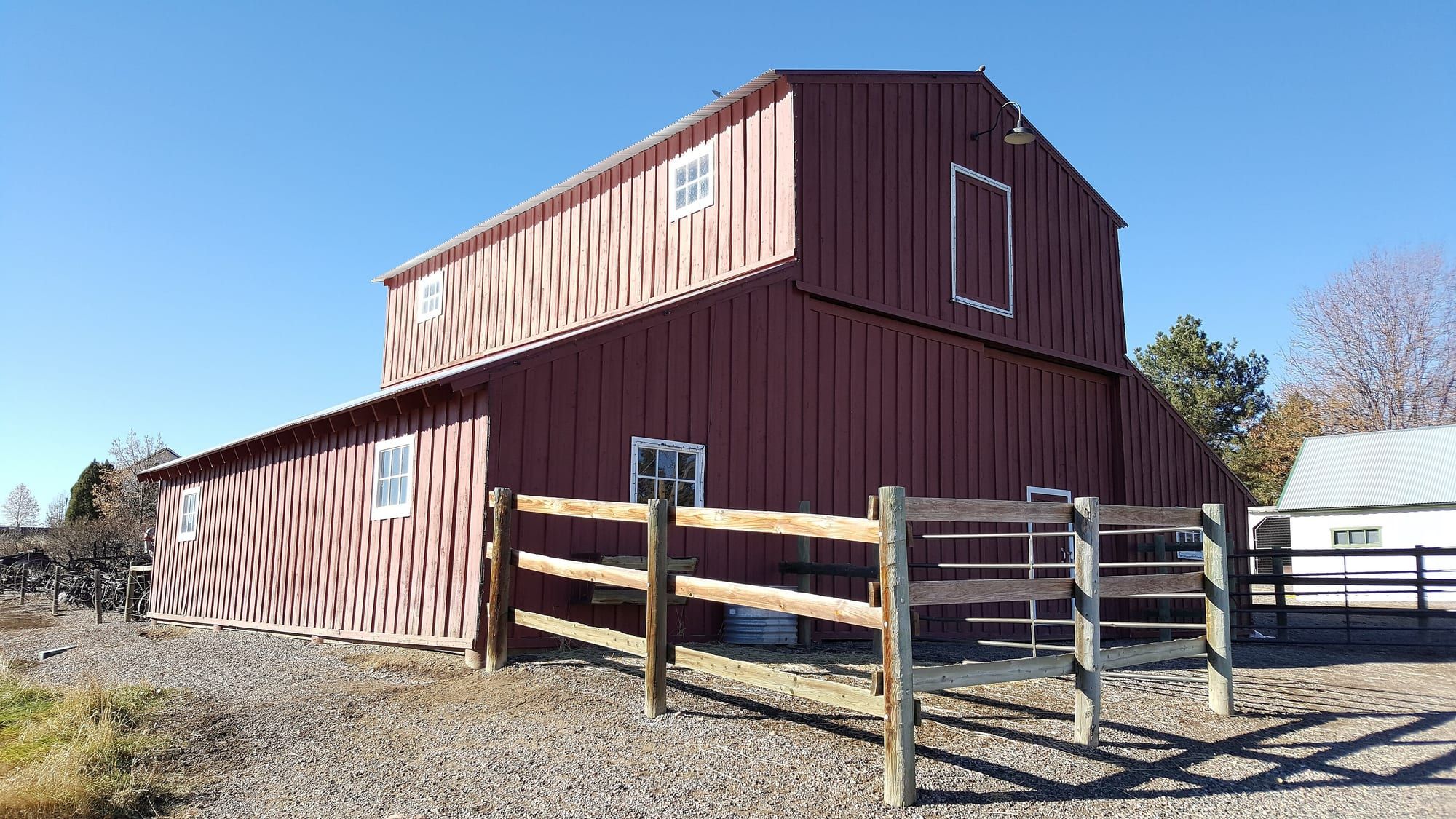
A large red-brown barn with a steep gambrel roof behind a wooden rail fence and a gravel yard, under a clear blue sky

Photo: Xnatedawgx, CC BY-SA 4.0

Lakewood homeowners ask.

Short answers; each figure names where it comes from.

How often should a chimney be swept?

How you burn decides it more than the calendar does. NFPA 211 recommends inspecting once a year, and what turns up tells you whether a sweep is due. The Census Bureau's 2020 to 2024 estimates show 49,665 of Lakewood's 69,799 occupied homes heated mainly by utility gas and only 61 by wood (margin of error 36), which suggests many local fireplaces see a handful of cold evenings a year.

Source: NFPA 211; American Community Survey (U.S. Census Bureau), 2020 to 2024, table B25040

Should I have the chimney checked when I buy or sell a house?

Yes. When a property changes hands, NFPA 211 calls for Level 2, which reaches past what a hand can touch: the spaces above and below the house, and the inside of the flue, filmed. Lakewood's homes were built in many different decades. The Census Bureau's estimates count 15,887 from the 1970s, 13,300 from the 1960s and 6,841 from 2010 to 2019, so neighbors' chimneys can have very little in common.

Source: NFPA 211; American Community Survey (U.S. Census Bureau), 2020 to 2024, table B25034

Why does the fireplace smell worse when it is humid or warm?

The odor comes from creosote and soot left in the flue. In warm, heavy air the chimney pulls weakly, and a downdraft can bring that smell back into the room. Removing the deposit removes the source; keeping the damper closed helps with whatever is left.

What is a chimney crown for?

The crown is the slab on top of the masonry. It sends rain and melt off to the sides, clear of the brick and the flue. Where a January day runs from 21.1°F to 44.8°F, as at the Lakewood station, water in a crack can freeze overnight and pry it open further.

Source: NOAA, 1991 to 2020 normals, station USC00054762 (Lakewood)

Does a chimney have to have a cap?

Almost always. The cap turns away rain, snow, birds and squirrels, and its screen keeps sparks in; the model residential code (IRC R1003.9.2) limits the openings to 1/2 inch. For the rules Lakewood itself has adopted, the city is the one to ask.

Source: IRC R1003.9.2 (model residential code)

Is my street inside your area?

We are based in Lakewood. If you cannot tell whether an address falls inside it, perhaps nearer Belmar or up on the Green Mountain side, phone (983) 955-9455 and we will say.

How can I arrange a visit?

Phone (983) 955-9455 or fill in the form further down, which accepts a request at any hour. Someone calls you back to agree on a time.

Tell us about your chimney.

Say what you have noticed on the form, or pick up the phone. Someone gets back to you to choose a day.

  1. 1You get in touch Phone the office, or write a few lines on the form.
  2. 2Someone calls you back We talk and find a day that works for you.
  3. 3The visit, top to bottom The work follows the stack from the roofline down to the hearth.
  4. 4Your decision Afterward we explain what we saw. What happens next is up to you.

By phone

Call the office and say what you need.

(983) 955-9455

By form

Any hour of the day or night

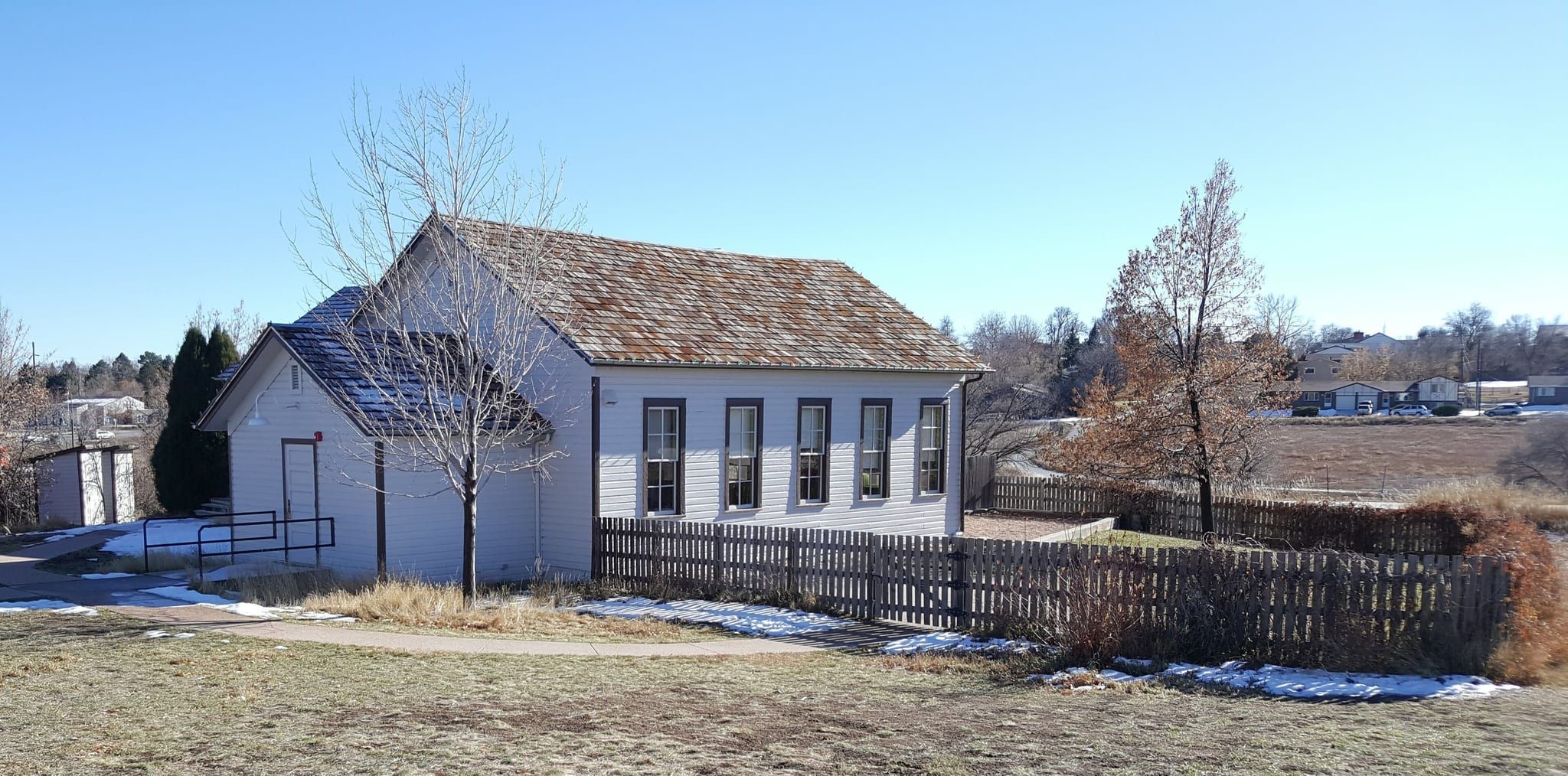
Photo: Country School and yard, Lakewood Heritage Center, Xnatedawgx, CC BY-SA 4.0

What do you need?

What do you need?

About your chimney

What do you burn?

How do we reach you?

Best time to call

Back

Lighting the first fire of the season, or worried about something you saw on the roof? Ask us.